Lifetime Citizen Portal Access — AI Briefings, Alerts & Unlimited Follows
Judge: $150,000 in ARPA funds used to clear blighted properties, aid indigent defendants in Shelby County Environmental Court
Loading...
Summary
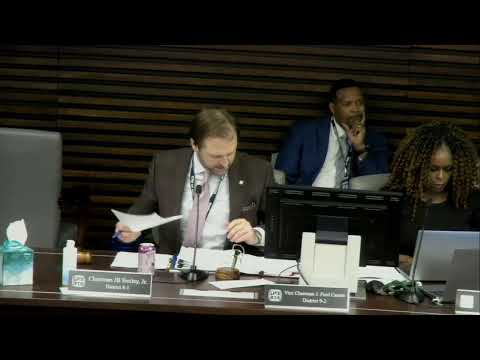
Judge Patrick Gendridge told the Personnel/Government Affairs Committee on Jan. 7 that $150,000 in ARPA funds for indigent defendants and environmental‑court remediation had been nearly fully spent on contractors who cleared properties, removed hazardous overgrowth and repaired homes to bring defendants into compliance.
Shelby County Environmental Court Judge Patrick Gendridge told the Personnel/Government Affairs Committee on Jan. 7 that $150,000 in American Rescue Plan Act (ARPA) funds allocated to an indigent‑defense foundation were nearly fully spent on property repairs and cleanups that permitted indigent or elderly defendants to come into compliance with city codes.
“I want you to know it was well spent,” Gendridge said, adding the account was exhausted except for $69.65. He described multiple before‑and‑after cases in which yard cleaning, siding repair, overgrowth removal and limited demolition allowed properties to be brought into compliance and therefore removed from repeat court dockets.
Why it matters: Judge Gendridge said the funds allowed contractors to perform work that otherwise would have remained undone because property owners lacked the funds — including elderly and indigent defendants whom the court has struggled to help through standard civil enforcement tools. The judge said the work reduced the long backlog of lingering blight cases and directly assisted residents who could not pay for repairs.
What the judge told the committee - Spending and scope: Gendridge said the $150,000 ARPA allocation was placed into a county account and used to contract about 18 vendors to perform remediation work (cutting overgrowth, removing debris, siding and cosmetic repairs, small demolitions). The judge said the court kept photographic and invoice documentation for each job and that most vendors were local contractors already used by city departments. - Case selection: Funds were targeted at defendants who could not afford to clean up code violations and who faced prolonged court entanglements. Gendridge said some properties had been in court since 2018. He stressed the work helped defendants regain compliance and avoid punitive outcomes that would have been disproportionate to their means. - Oversight and structure: The funds were routed via a Shelby County account rather than an independent 501(c)(3); the court’s new foundation is being formed separately and is expected to support future fundraising. Gendridge said the court is assembling fuller reporting for the council and can share vendor lists and before/after photos.
Council questions: Councilmembers asked whether there is a true backlog or whether cases were being delayed for other reasons; the judge said most delays were not caused by case processing but by defendants’ lack of means to correct violations. Members asked about MWBE participation (the judge said smaller, local vendors were used and that MBEs/WBEs are on the contractor list), elder services referrals and whether some residents could be connected to elder care or wraparound supports after remediation.
Next steps: Gendridge said the newly formed foundation will begin external fundraising and that he will return to committee with more detailed reporting (vendor names, job invoices, and a map of assisted properties). Councilmembers asked for copies of the photo documentation and the vendor list; the judge said the files will be provided to the committee.
Ending: Committee members praised the court’s use of funds but said they want more granular reporting and follow‑up to evaluate whether the approach reduces recidivism into code violations over time.