Get Full Government Meeting Transcripts, Videos, & Alerts Forever!
Get email alerts on the Capital Improvement Plan topic
No spam. Unsubscribe anytime.
Finance director sketched $254M five-year capital plan; council asked for ranking and more budget context
Summary
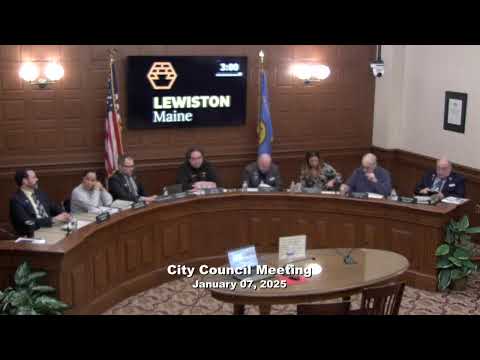
City staff presented the draft FY26–30 capital improvement plan totaling roughly $254 million in projects and outlined bond requests for FY26; councilors asked for staff ranking of project priorities and a clearer presentation of LCIP items’ share of the overall operating budget.
City finance staff presented the proposed five-year capital improvement plan (FY2026–2030) to the Lewiston City Council, showing about $254 million of proposed projects across city and school systems and identifying FY26 bond requests totaling roughly $14.8 million.
Director Roy (presenting the LCIP) told the council that the five-year program proposes $254,000,000 in projects with $219,000,000 funded from local sources. For FY26 the project list includes a $10 million city bond request, a $3.9 million school bond request, a $2.8 million water bond, $2.5 million sewer bond, and $1.8 million stormwater bond. Roy displayed debt figures and explained the city’s debt-management goals—refinancing where possible, moving recurring costs into the operating budget and using fund balance for one-time expenses.
Roy outlined major FY26 projects shown in the council packet: emergency 911 facility outfitting at Park Street; a replacement Ladder 1 fire apparatus (the chief indicated paying in full could produce ordering savings); public works vehicle wash ($1,000,000); streets maintenance ($1,000,000); school education space ($1,000,000); Franklin Pasture tennis courts shared half city/half school ($1,000,005); sewer manhole replacements ($1,000,002); and water-main replacement ($2.4 million). He noted authorized but unissued bonds from prior years totaling approximately $48.7 million and stated the outstanding general-fund debt and the debt service as a percentage of the FY25 operating budgets (city 14.7%, school 8.5%, combined 10.6%).
Councilors asked for additional context: Councillor Chittum asked whether staff had included a priority ranking of projects (Roy said ranking is part of program/service prioritization during the regular budget season). Councillor Nagy asked whether the figures showing outstanding debt included the state-reimbursed portion (Roy confirmed they do and noted a state reimbursement note in the packet). Councillor Nagy also asked for a running percentage that would relate LCIP bonding to the overall general budget; staff agreed to provide clearer moving numbers to show the share of LCIP in the general operating picture.
Roy pointed out the city’s debt limit calculation under an 80% guideline; with the proposed LCIP the city would be approximately $8.3 million over the 80% rule for FY26, based on the packet numbers. Roy said that the calculation could be managed with refinancing, budget moves and use of unallocated fund balance as appropriate.
Why it matters: The LCIP sets the capital investment priorities for the next five years and frames potential bond issuances that affect debt service in the operating budget. Councilors asked for clearer presentation of priorities and for staff to provide a running calculation showing LCIP bond amounts as a share of the general fund.
Next steps: Roy said council will receive the full packet and has public hearing opportunities: LCIP public hearing Feb. 4, the finance committee and planning board will give recommendations and the council is scheduled to adopt the LCIP on Feb. 18. Formal bonding decisions would take place through the budget and bond processes.