Get Full Government Meeting Transcripts, Videos, & Alerts Forever!
Planning commission delays vote on alternative‑energy ordinance after hours of testimony
Summary
Pennington County's proposed alternative‑energy ordinance drew hours of public comment on Oct. 14; commissioners continued ordinance OA 25‑16 to Oct. 27 and noted the Board of Commissioners will consider a moratorium extension on Oct. 21.
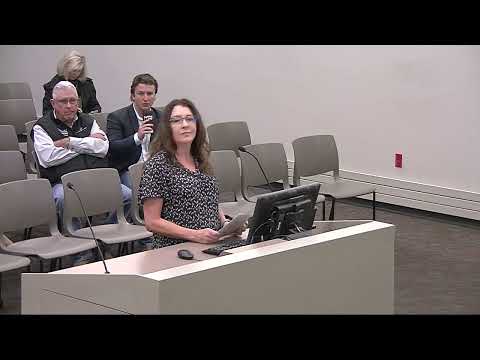
Pennington County planning commissioners on Oct. 14 opened a lengthy public hearing on proposed ordinance amendment OA 25‑16, which would revise the county zoning ordinance’s alternative‑energy provisions, and ultimately continued the matter to the Oct. 27 Planning Commission meeting after several hours of public testimony.
Commission staff had placed the draft ordinance before a citizen task force and the planning commission; a commissioner who chaired the task force described a months‑long effort that began in April and included industry and landowner representatives. The commissioner said the committee’s work produced a restrictive draft ordinance intended to move final decisions on large…
Already have an account? Log in
Subscribe to keep reading
Unlock the rest of this article — and every article on Citizen Portal.
- Unlimited articles
- AI-powered breakdowns of topics, speakers, decisions, and budgets
- Instant alerts when your location has a new meeting
- Follow topics and more locations
- 1,000 AI Insights / month, plus AI Chat