Get Full Government Meeting Transcripts, Videos, & Alerts Forever!
Get email alerts on the Stormwater Operations Equipment topic
No spam. Unsubscribe anytime.
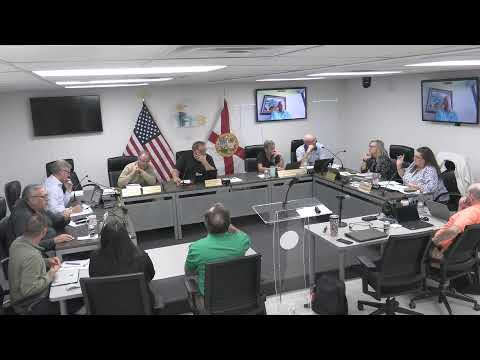
Town staff outlines jet‑vac costs, FEMA reimbursement and potential savings using in‑house vaccon
Summary
Staff presented cost calculations for a recently purchased jet vac (vaccon), using FEMA reimbursement rates and an estimated depreciation and operator cost; the town compared in-house operation to contractor rates and discussed ARPA funding and insurance uncertainties.
Town staff presented a cost and return-on-investment analysis for a jet vac (vaccon) the town purchased to operate its stormwater and drainage cleanup work. "The cost of the jet vac or the vaccon was $656,232," staff reported, then described a conservative 10-year depreciation schedule and a calculation that used FEMA's reimbursement rate for equipment operations.
Using a FEMA equipment-reimbursement figure of $97.76 per hour (as presented by staff), the town estimated annual depreciation at $65,623 and annual fuel-and-maintenance costs of about $137,718 (derived by subtracting depreciation from the FEMA-based total equipment cost). Staff then presented scaled operating-cost estimates depending on how many days per week the machine is run and included the budgeted increase for a dedicated operator: $21,632 per year for a staffed position already budgeted in stormwater maintenance.
The town compared those in-house costs to contractor pricing from EarthView, which staff said charges $350 per hour to operate similar equipment. Based on the presented math, the town would roughly break even if it ran the machine one day a week and could save progressively more the more it ran the machine in-house; staff presented a high-end annual savings estimate of roughly $359,000 if the equipment were run at the highest modeled utilization.
Funding and reimbursement: Staff said the purchase used American Rescue Plan Act (ARPA) funds and noted FEMA would reimburse equipment operations based on actual costs; the level of federal reimbursement (for example, large-disaster cost shares) varies by the disaster declaration. Staff also said insurance and other costs are expected to be covered under FEMA's calculation of allowable costs but that the town is still awaiting an insurance figure to refine the estimate.
Discussion and next steps: Councilors and staff discussed operational timing (preventative versus after-the-fact cleaning), scheduling availability of contractors, and the value of immediate availability during storms. Staff said they will refine the estimate once the insurance number is known and that the town has budgeted a vacant stormwater-maintenance position to staff the vaccon.
Ending: Councilors characterized the analysis as showing both a potential cost saving and an operational benefit (immediacy) for storm response and preventative maintenance; no formal vote on operational policy or schedule was recorded in the session.