Get Full Government Meeting Transcripts, Videos, & Alerts Forever!
Get email alerts on the Criminal Procedure topic
No spam. Unsubscribe anytime.
Panel reviews sanction order tied to discovery delay and Rule 36 speedy-trial issues in Trapania appeal
Summary
The Appeals Court heard argument in Commonwealth v. Trapania over whether a trial judge exceeded authority by imposing a sanction the Commonwealth calls punitive—an order said by appellant to override Rule 36 speedy-trial provisions—and whether the remedy was permitted under Rule 14(c).
The Massachusetts Appeals Court considered Jan. 8 the legal dispute in Commonwealth v. Trapania, Docket No. 24-P-81, over sanctions imposed after delayed disclosure of DNA testing. Appellant argued the trial judge rewrote the court’s Rule 36 speedy-trial mechanism and imposed punitive sanctions beyond the remedial scope allowed by Rule 14(c). The Commonwealth and defense differed on whether alternative remedial sanctions remained available on remand.
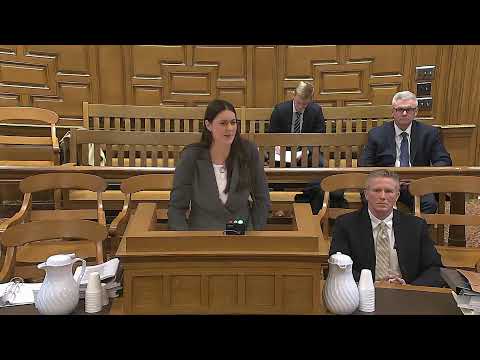
The Commonwealth, represented by Jim Peterson, argued the judge’s order functioned as an unauthorized rewrite of Rule 36 and that several aspects of the sanction were punitive rather than remedial. Peterson told the panel that the record showed the judge found the delay nonprejudicial and that once remedial measures (DNA testing and time for expert review) were afforded, further punishment of the Commonwealth would be improper. He cited cases in which dismissal requires a showing of irredeemable prejudice.
Defense counsel Joseph Zendroski urged the court to uphold the judge’s June 2022 order as a tailored remedial measure that preserved the defendant’s right to a fair trial while allowing the Commonwealth to obtain DNA testing. Zendroski said exclusion of DNA evidence would be an available alternative sanction and argued that reversing the order would leave the Commonwealth without consequence for late disclosure.
The panel focused its questioning on the practical options available to a trial judge on remand if the court finds the initial sanction invalid, including whether exclusion of late-disclosed evidence or dismissal remained viable remedies. Counsel debated whether the judge’s factual findings (including that the Commonwealth had an opportunity to test DNA and the defendant had the chance to obtain expert review) foreclosed alternative sanc tions on remand.
After argument the panel submitted the case for decision.