Get Full Government Meeting Transcripts, Videos, & Alerts Forever!
Get email alerts on the Criminal Sentencing Jail Credit topic
No spam. Unsubscribe anytime.
Appeals court hears challenge to 244 days of jail credit in Brockton revocation case
Summary
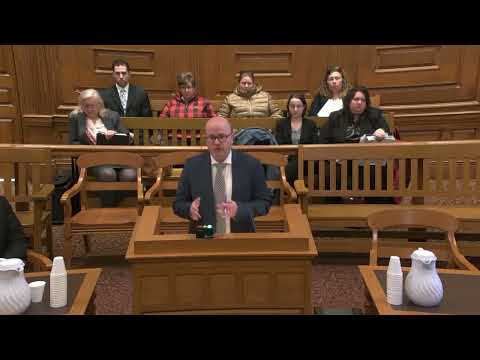
A three-judge panel of the Massachusetts Appeals Court heard oral argument Jan. 6 in Commonwealth v. Thomas over whether a trial judge improperly awarded a defendant 244 days of jail credit that the Commonwealth says had already been applied to a different case.
A three-judge panel of the Massachusetts Appeals Court heard oral argument Jan. 6 in Commonwealth v. Thomas over whether a trial judge improperly awarded a defendant 244 days of jail credit that the Commonwealth says had already been applied to a different case.
The appeal centers on overlapping cases in Stoughton and Brockton and whether the sentencing judge in Brockton double‑credited time the defendant had served while held on revocations in the Stoughton matter. The Commonwealth told the court the 244 days were already applied and that established case law precludes awarding the same pretrial custody credits twice; defense counsel argued the judge had discretion under Rule 29 to revise the sentence to time served.
Why it matters: If the Appeals Court agrees with the Commonwealth, the defendant could be ordered to serve additional time rather than remain deemed to have served the sentence; if the court defers to the trial judge’s discretion the result would uphold a time‑served disposition. The case raised collateral jurisdictional questions about notices of appeal and whether subsequent motions to revise and revoke were within the trial court’s authority once an appeal was docketed.
Arguments and legal questions
Judges on the panel — identified during argument as Chief Judge John Englander, Judge Hodges and Judge Smith — asked whether the dispute was essentially one about the correct mechanism (a Rule 29 motion to revise and revoke the sentence) versus a legal entitlement to the credits under statutes and controlling cases. Commonwealth counsel argued that Pearson and a line of cases (Foley, Barton, Blakey, Murphy, Harvey) establish that a defendant with two overlapping matters may receive pretrial custody credit applied to only one of those matters and that double crediting is not allowed. Defense counsel urged that Ridge (a Supreme Judicial Court opinion cited in the briefs) supports a sentencing judge’s discretion to adjust a sentence within the Rule 29 window and that the trial judge properly exercised discretion to deem a sentence served.
The court also questioned whether the Commonwealth’s appeal was moot in part because the sentencing judge wrote that a sentence “shall be deemed served,” language defense counsel contended effectively sentenced the defendant to time served. The panel probed whether that statement cured any error on the credit question and whether double jeopardy or finality would prevent sending the defendant back if credits were later corrected on appeal.
Jurisdiction and timing issues
Counsel debated the timing of two notices of appeal — one filed Oct. 31 and another Nov. 22 — and whether the trial court retained jurisdiction to act on a second motion to revise and revoke after the Commonwealth filed its first notice. Appellate judges asked about docketing rules and cases the parties cited (including Commonwealth v. Kievan and related docketing authority) to determine whether the trial court or the Appeals Court had control when the later action occurred.
Outcome at oral argument
No decision was announced from the bench. After extended questioning on whether the issue was primarily an exercise of trial discretion or an error of law and whether the judge’s “deemed served” language rendered further relief moot, the panel moved on to the next case. The Appeals Court will issue a written decision resolving the statutory, discretionary‑authority and jurisdictional questions raised in argument.
Speakers quoted or heard at argument included members of the appellate panel and counsel for both sides; the court’s questioning emphasized distinctions between entitlement to credit under case law and the sentencing judge’s remedial powers under Rule 29.
Ending
The court took no immediate ruling and indicated it would issue a written opinion after considering the parties’ briefs and the oral argument. The case remains under submission.