Hoschton candidates spar over developer influence and citizen input at forum
Loading...
Summary
At a Hoschton City candidate forum, municipal candidates debated how to ensure residents’ voices guide rapid growth, proposing neighborhood workshops, advisory boards, stronger planning-and-zoning processes and clearer rules for developer variances.
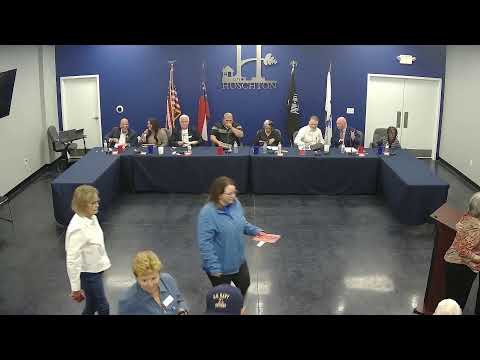
At a candidate forum hosted by the Hoschton Women's Civic Club on Oct. 23, city council and mayoral candidates discussed how the city should balance rapid development with citizen input.
Candidates stressed different procedural fixes — from early neighborhood outreach to formal advisory boards — as ways to ensure residents are consulted before major projects advance. Councilmember David Brown said live streaming council meetings has helped, but several candidates pressed for more proactive outreach.
"When citizens are part of the conversation early, we can make smarter, more balanced decisions," said Maria Bentz, a candidate for council, advocating for neighborhood workshops and neighborhood ambassadors to convey local concerns to council. Bentz said some residents cannot attend meetings and that bringing information to neighborhoods would improve participation.
Other candidates proposed additional formal steps. Mayor Debbie Martin said she reinstated and emphasized planning-and-zoning review to give residents an earlier chance to see proposals. "This gives the citizens so many possibilities to come to the planning and zoning before it even gets to council," Martin said, and noted public comment has been extended from two minutes to five minutes to broaden opportunities for input.
Several candidates addressed how requests for changes after project approvals should be handled. Maria Bentz said small design tweaks can be handled by staff while major changes should trigger public review: "If it lands maybe somewhere in the middle, maybe we'll go to planning and zoning," she said. Shannon Sale, a council candidate, argued the city should seek additional concessions when developers ask to change approved plans, for example contributing to sidewalks or landscaping.
Not all candidates agreed on structural changes such as district-based voting. Ace Acevedo, a council candidate, said he opposed districting for Hoschton at this time, noting the city’s population is below common thresholds used elsewhere and that implementing districts carries administrative cost and legal steps.
Discussion points from the forum included stronger early public engagement, clearer variance rules, greater transparency on developer concessions, and periodic community forums. No formal decisions were taken at the event — the forum served as a policy pitch and voter information session, not a council action meeting.
Looking ahead, candidates urged voters to attend council meetings and follow ongoing planning-and-zoning discussions if they want to influence development outcomes.