Get Full Government Meeting Transcripts, Videos, & Alerts Forever!
Get email alerts on the Education topic
No spam. Unsubscribe anytime.
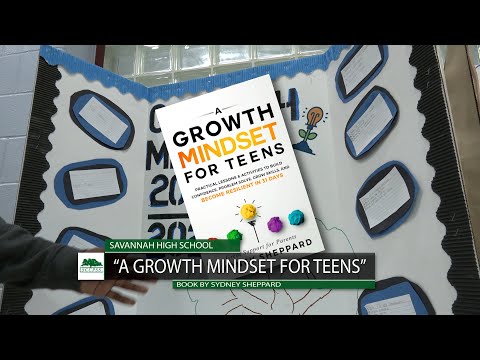
Students describe how reading 'A Growth Mindset For Teens' shaped study habits and self-view
Summary
Multiple students presented brief remarks describing how the book A Growth Mindset For Teens influenced routines, study habits and self-perception; presenters emphasized time management, planning and confidence-building rather than formal proposals or actions.
Students spoke about applying lessons from the book A Growth Mindset For Teens to classroom routines and personal habits during a short presentation.
Student 1, a student, said, "This semester, we started off by reading the book A Growth Mindset For Teens by Sydney Shepherd." That presentation prompted peers to describe specific habits they adopted and what the material meant to them.
Student 3, a student, gave an example of a concrete change: "For me, it was time management and study habits. So for that, I started to build a routine. I used a planner. Was it digitally and physical? So I could have both." Student 2, a student, summarized the concept: "Growth mindset basically means, like, expanding your mind in different things, trying to achieve different things." Student 4, a student, highlighted the project’s emotional impact: "The amount of heart that they have put into this, how much they can see themselves in the work, and how they can apply it to their their present and their future. It was just tremendously inspiring and makes you reflective of yourself and your own practices." Student 5, a student, said one message she favored was: "My favorite 1 out of them all was know your worth and you are better than what they make you as and love yourself."
The students framed the book and related projects as tools for communication and personal growth rather than policy proposals. As one presenter put it, "Books are power. Right? So literacy is power. Knowledge is power." There were no motions, votes or formal requests recorded in the transcript; the remarks were presented as student reflections during a brief segment of the meeting.
No implementation steps, funding requests or formal actions were noted in the transcript. The remarks emphasize classroom-level practices—planning, time management and using project work to express ideas—rather than district-level policy changes.