Get Full Government Meeting Transcripts, Videos, & Alerts Forever!
Get email alerts on the Family Law topic
No spam. Unsubscribe anytime.
Appeals court panel reviews contested property division, custody and support rulings
Summary
The Appeals Court heard argument in a multifaceted family-law appeal that challenges the trial judge’s division of the marital home, treatment of debts and the custody/support determinations.
The Massachusetts Appeals Court heard a multi-issue family-law appeal concerning property division, custody and child-support rulings in a contested divorce.
Counsel Soraya Sadagi, representing the appellant Nita Kumari, told the panel she was challenging the trial court’s delay in entering a final judgment (the judge had set aspirational time standards in a standing order), argued the court’s valuation and distribution of the marital home was inequitable, and said the trial court overlooked documentary evidence of loans and gifts from family members that the appellant said should have been treated as marital liabilities or contributions. Sadagi also argued the trial court’s parenting-time allocations and consequential child-support calculations produced an unfair result for her client.
Opposing counsel Sandy Doron, representing the appellee Deepak Jogalkar, urged the panel to find multiple claims waived because the parties stipulated to valuations and proposals in the pretrial orders and did not press certain objections at trial or in initial post-trial filings. Doron also emphasized the trial judge’s credibility determinations and the wide discretion afforded to trial judges on equitable property allocations and child custody.
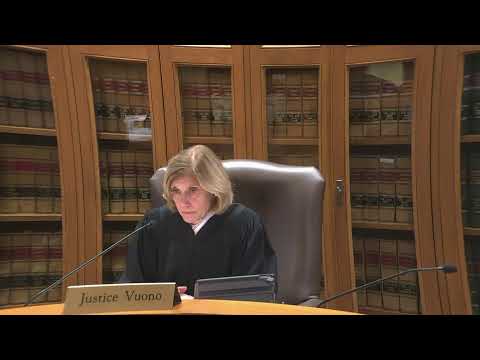
The panel questioned counsel about whether the court’s standing order (Standing Order 1-06) creates substantive rights and whether the trial judge’s delay amounted to reversible error. Justices also pressed on the record whether requests for retroactive child-support adjustments had been specifically raised and briefed. Counsel disputed whether the record supported an award of retroactive reductions.
Several arguments turned on credibility findings the trial judge made after hearing live testimony and reviewing evidence; the appellee urged deference to those factual findings. The parties discussed rule and timing issues for post-trial motions and the scope of Rule 59 and related procedures.
After questioning, the panel took the appeals under advisement and announced no immediate disposition at argument.