Get Full Government Meeting Transcripts, Videos, & Alerts Forever!
Get email alerts on the Mortgage Foreclosure topic
No spam. Unsubscribe anytime.
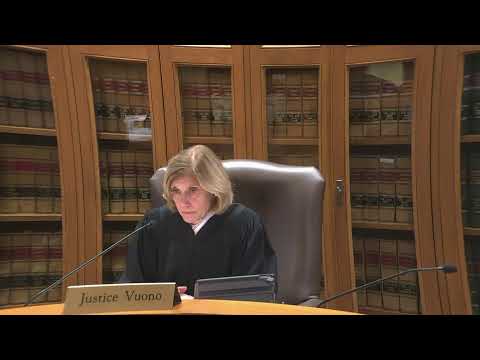
Appeals court hears challenge to Wells Fargo’s standing and mortgage assignments
Summary
A pro se appellant argued the foreclosure was invalid because assignments were allegedly forged; Wells Fargo’s counsel said affidavits and recorded documents show the bank as trustee held the note and complied with foreclosure requirements. The panel took the case under advisement.
The Appeals Court heard an eviction-foreclosure appeal in which the pro se appellant, Sarah Colsey, argued Wells Fargo Bank as trustee lacked the proper chain of title and therefore could not lawfully foreclose.
Colsey, appearing for herself, told the panel she signed the original 2007 mortgage with Option 1 Mortgage Corporation and said subsequent assignments — including ones she described as forged or created by third-party companies — voided the later transfer to Wells Fargo. Colsey contended the record did not show Wells Fargo ever held the original ink-signed note and argued prior court proceedings had not adjudicated the issue in her favor.
Stephanie Sprague, counsel for Wells Fargo, countered that the bank had satisfied its prima facie proof for possession and entitlement to possession by submitting the foreclosure deed, affidavits of sale and recorded affidavits asserting possession of the original note. Sprague said the trial court properly entered summary judgment because Colsey’s opposition lacked sworn affidavits and failed to rebut the documentary record. She also told the panel the servicer and assignment issues raised by Colsey either were resolved in prior proceedings or do not defeat Wells Fargo’s recorded title and affidavits.
The counsel debated whether prior litigation and preclusion doctrines (res judicata) barred Colsey’s claims, whether alleged earlier assignments were void or merely voidable, and whether the lower court had applied the correct legal standards when it granted summary judgment and dismissed counterclaims. Wells Fargo’s counsel also pointed to administrative forms and loan-modification processes the bank said it had offered as further evidence of attempts to resolve loan performance issues prior to foreclosure.
After the arguments, the panel took the case under advisement with no immediate disposition announced.