Get Full Government Meeting Transcripts, Videos, & Alerts Forever!
Get email alerts on the Criminal Necessity Unanimity Juror Accommodations topic
No spam. Unsubscribe anytime.
Appeals Court weighs necessity defense, unanimity instruction and juror accommodations in Mendez appeal
Summary
Justin Dashner asked the Appeals Court to reverse on necessity, unanimity and juror‑accommodation grounds in Commonwealth v. Eduardo Mendez.
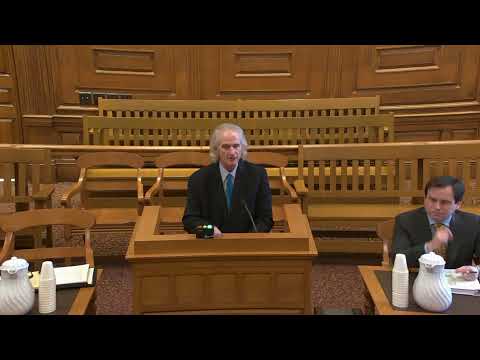
Justin Dashner, counsel for Eduardo Mendez, asked the Appeals Court to reverse parts of Mendez’s conviction on multiple grounds: the denial of a necessity jury instruction for an assault and battery charge in violation of a restraining order; the absence of a specific unanimity instruction for multiple alleged touchings; and trial‑court handling of juror issues including a hard‑of‑hearing juror and a juror with professional expertise in memory.
Dashner said Mendez admitted the physical contact but insisted his testimony showed he grabbed the complainant to prevent her from jumping from a moving car—a factual basis for a necessity instruction. He argued the judge should have instructed the jury that, if a defendant has no effective legal alternative and reasonably believes his act will abate imminent danger, necessity may be a defense. Dashner also pressed that multiple, distinct alleged touchings occurred over a 20–30 minute span and that the jury needed a specific unanimity instruction to ensure all jurors agreed on which act supported conviction.
On juror issues, Dashner said a venire member told the court she was hard of hearing and later was dismissed; he argued the court should have accommodated reasonable assistive listening options. He also sought reversal for the exclusion of a juror who identified professional doubts about eyewitness memory.
Stacy Gauthier, for the Commonwealth, defended the trial rulings. She told the panel that stopping the car, contacting nearby businesses, or obtaining nearby assistance would have been reasonable alternatives to the defendant’s asserted grabbing, and that the legislature’s restraining‑order scheme and public‑policy concerns weigh against allowing necessity in these circumstances. On unanimity, Gauthier argued the prosecutor’s closing focused the alleged assaultive acts to a short sequence in the car and treated the matters as a continuing course of conduct. She also said the judge’s dismissal of a hard‑of‑hearing juror without objection and the exclusion of a juror who said he could not be impartial were within trial court discretion.
The panel questioned both sides about timing, public‑policy limits on defensive claims when a defendant placed himself in the situation, and the scope of reasonable accommodations at jury selection. No decision was announced from the bench.