Get Full Government Meeting Transcripts, Videos, & Alerts Forever!
Get email alerts on the Policing Stop And Frisk topic
No spam. Unsubscribe anytime.
Panel weighs officers’ exit order and car frisk after ShotSpotter alert
Summary
The Appeals Court heard paired appeals arising from a stop near a ShotSpotter activation. The Commonwealth argued proximity, a furtive gesture and known gang affiliations justified an exit order and limited car frisk; defense counsel argued the trial judge correctly found the totality of circumstances did not support the order.
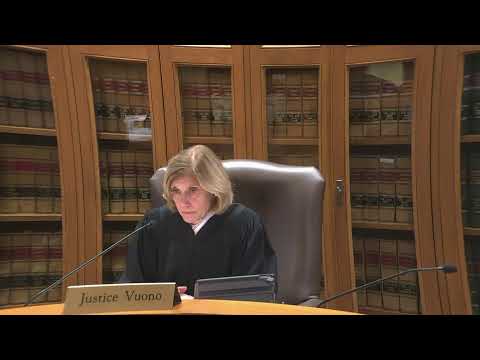
The Massachusetts Appeals Court heard argument in two paired appeals (2024-0214 and 2024-0211) challenging a police exit order and subsequent frisk and search of a vehicle stopped minutes after a ShotSpotter activation.
Assistant District Attorney Ian MacLean (arguing for the Commonwealth) told the panel officers were justified by the totality of the circumstances: a ShotSpotter alert within minutes and a few blocks, a driver making a furtive bending motion as officers approached, tinted windows, a CJIS check, and officers’ collective knowledge that the occupants were affiliated with gangs and one had a prior firearm conviction. “We have a recent ShotSpotter, a furtive gesture as they approach, and then, through collective knowledge, we have what the officers know about these two occupants,” MacLean said.
Defense counsel Edward Malloy, representing Mr. Rivera, urged the court to defer to the motion judge’s factual findings. Malloy stressed that the trial judge discounted proximity and gang information as insufficiently probative of involvement in the shooting, and he argued there were factual disputes about what body-worn camera footage actually shows — particularly whether officers manipulated the vehicle’s center console during the search. Malloy urged remand if the court needed additional factual findings on the scope of the vehicle frisk.
Counsel debated whether a six-minute lapse between the furtive gesture and the exit order materially dissipated concerns for officer safety. The Commonwealth argued the risk persisted because a weapon could still be concealed in the vehicle; defense argued the judge reasonably found the passage of time and the defendants’ cooperative behavior diminished suspicion.
The prosecutors also pointed to case law the Commonwealth said supported interventions near ShotSpotter activations and searches tied to recent gun violence; defense counsel urged the panel to view the cited cases as fact-specific and distinguishable.
After extended questioning, the panel took the paired appeals under advisement. The court did not announce a decision at argument.