Get Full Government Meeting Transcripts, Videos, & Alerts Forever!
Get email alerts on the Compensation And Benefits topic
No spam. Unsubscribe anytime.
Spalding County staff outlines optional commissioner retirement plan; commissioners defer decision until budget season
Summary
Staff presented an ACCG actuarial model for a voluntary retirement stipend for Spalding County commissioners; commissioners asked for more time and budget analysis before deciding.
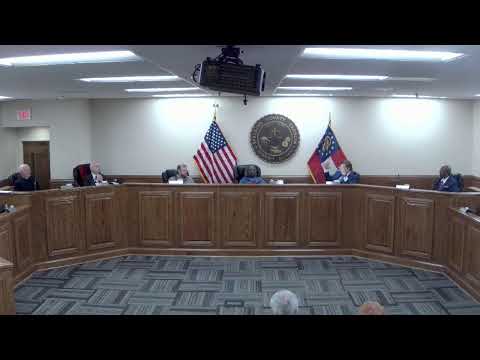
Spalding County staff presented details on a possible retirement benefit for county commissioners during the Jan. 6 work session and asked the board to decide whether to include the program in upcoming budget planning.
The proposal, based on an actuarial study from ACCG Retirement Services, would mirror a program used by the City of Griffin and calculate a retirement credit as $25 per month for each year of service, with a proposed vesting period of eight years (two terms). Director Miles Neville said the study estimated annual funding needs between about $13,300 and $16,700 under the earlier membership mix; he said removing one former commissioner from the calculation would lower the amount. Neville described the plan as procedurally ready but said the final cost depends on how the board structures vesting and years counted.
The board heard that the City of Griffin is considering raising the $25 monthly credit to $50–$100 and would have to run a new actuarial study if it changes the benefit. Commissioners did not vote on the plan but asked staff to hold the item for further consideration during the budget process. "Let's let us think about it and, we'll come back with, a decision later on direction we want you to go, especially as we get ready to do the budget," one commissioner said.
Why it matters: implementing an ongoing retirement stipendiary program would create a new recurring budget obligation for the county; the board signaled it wants budget-level clarity before committing. Staff flagged that a small annual cost could nevertheless grow depending on plan design and the number of eligible commissioners.
Staff and commissioner comments highlighted next steps: run an updated actuarial study that reflects the current board composition, decide a final dollar-per-year credit and vesting period, and determine whether to include a funding line in the FY 2026 budget. No formal action or vote took place at the work session; commissioners expect to revisit the proposal before finalizing the budget.