Get Full Government Meeting Transcripts, Videos, & Alerts Forever!
Panhandle Health asks Bonner County residents for input on services, fields calls for environmental monitoring and immunization access
Summary
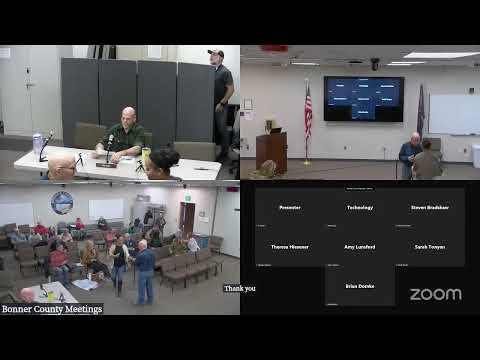
Panhandle Health officials described the district's structure, funding and services at a public town-hall in Bonner County and invited community input on priorities including clinic staffing and immunizations, home‑visiting safeguards, environmental monitoring and emergency preparedness for hazardous rail shipments.
Panhandle Health officials told a crowded Bonner County town-hall that the district is seeking community direction as it prepares a strategic plan and evaluates services ranging from septic permitting and environmental health to clinic immunizations and home‑visiting programs.
"I need to emphasize these are voluntary programs," said Eric Kettner, district director, describing home‑visiting and other outreach services and adding that "the nurses . . . are mandatory reporters" if they observe clear evidence of abuse. Kettner gave an overview of the district’s structure, the services it offers and how it is funded.
Kettner said the five‑county Panhandle Health District (Bonner, Boundary, Kootenai, Benewah and Shoshone counties) implements programs locally under authority from Idaho statutes and the state health department. He described the district’s funding mix as roughly 47 percent contracts and grants, 26 percent fees, 6 percent interest income and about 21 percent county support distributed by a formula based on assessed values and population. He said the district provides about 40 distinct services across the region and estimated Panhandle Health served roughly 4,000 people in Bonner County in recent clinic, permitting and inspection work.
Why it matters: residents raised issues that cut across the district’s traditional public‑health role (managing common resources such as water and air) and clinical services (immunizations, diabetes prevention, home visiting). Some speakers asked the health district…
Already have an account? Log in
Subscribe to keep reading
Unlock the rest of this article — and every article on Citizen Portal.
- Unlimited articles
- AI-powered breakdowns of topics, speakers, decisions, and budgets
- Instant alerts when your location has a new meeting
- Follow topics and more locations
- 1,000 AI Insights / month, plus AI Chat