
Bay City commissioners told $5 million bridge lease money is reserved; debate grows over whether to spend now or pace projects
Get AI-powered insights, summaries, and transcripts
Subscribe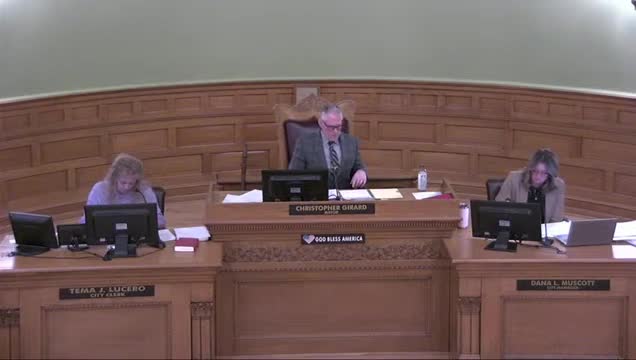
Summary
Commissioners discussed $5 million the city received from the bridge lease, marijuana tax growth and road funding, asking staff for audits, a five‑year street plan and documents to guide spending decisions.
Commissioners at Tuesday’s Bay City meeting were briefed that $5 million received under the bridge lease agreement is held in a restricted fund for infrastructure and remains available for the current commission to allocate.
Commissioner Bernie Overshaw repeatedly asked for the disposition of the bridge funds; the city manager replied staff had placed the money in a separate bank account following a 2020 commission decision that earmarked the proceeds for infrastructure work. Staff said the money is reported in the city’s audited financial statements and remains available for a commission decision.
The discussion expanded into the broader question of timing and scale for road work. Commissioners noted the city also has other recent capital resources: a $1.6 million state enhancement grant already received, about $900,000 in marijuana tax receipts (some of which was earmarked for streets earlier in the fiscal year) and a regular road budget of roughly $2.5 million. Commissioner Prince summarized those figures and said the combined pool could approach $10 million, and asked whether spending so much in a single year could push contractor prices higher or outstrip local contractor capacity.
City staff and the fiscal services team said city funds are invested in short‑term instruments consistent with state law and presently earn roughly 2% on excess cash; staff also warned that Public Act 20 limits investment options. Public works staff said the city has a five‑year capital plan and an infrastructure committee that advises priorities; commissioners asked for a copy of the plan and for staff to compile a street list matched to potential funding. City fiscal staff agreed to provide a searchable PDF of the bridge lease and to request wear‑and‑tear information from Bay Metro showing cost impacts of leaving bridges unused.
Commissioners signaled different priorities. Some urged pacing projects across multiple years to avoid labor and bidding spikes; others said the city should act while contractors and prices are favorable. Staff said they will schedule department briefings on project selection, capacity and phasing so the commission has the information it needs for allocation decisions.
No formal allocation of the bridge proceeds occurred at the meeting; the commission retained authority to decide how and when to spend the money.