Get Full Government Meeting Transcripts, Videos, & Alerts Forever!
Get email alerts on the County Administration topic
No spam. Unsubscribe anytime.
Commissioners discuss cooperative purchasing, legislative priorities, staff reclassifications and opioid fund coordinator
Summary
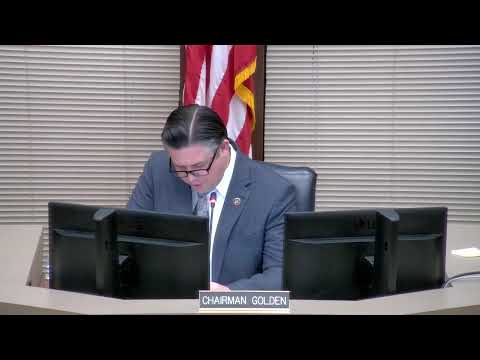
Montgomery County commissioners discussed cooperative purchasing, the 2025 legislative agenda, staff reclassifications and an opioid settlement coordinator position at their Jan. 6, 2025 informal meeting.
Montgomery County commissioners discussed several resolutions and departmental requests during their Jan. 6, 2025 informal meeting, including cooperative purchasing authorization, the county’s 2025 legislative agenda, staff reclassifications and a new position to coordinate opioid settlement spending.
Cooperative purchasing (Resolution 2511) prompted the most extended questioning. Several commissioners, including Commissioner Leverett and Commissioner Woodruff, asked whether adopting the resolution would limit local vendors or channel county purchases to particular firms. The county’s purchasing agent, identified in the transcript as Miss Black, said state law requires a commission resolution to allow participation in cooperative purchasing agreements and that the mechanism is optional for departments: “It really doesn't limit anything, and it's normally for larger purchases like a fire truck,” she said. Miss Black explained cooperatives have already run competitive bid processes that counties may use to save time and money; departments would still be able to solicit separate bids when appropriate, she said.
Commissioner Walker and others raised concern about ensuring the practice does not narrow competition; Miss Black and the chair of the purchasing committee said the intent is efficiency and cost savings, not exclusion of local vendors.
The board considered Resolution 2512, the 2025 legislative agenda, which Commissioner Leverett said the legislative liaison committee had pared down to a shorter, focused list. Commissioner Shelton requested adding an item supporting change in state law to permit medical cannabis; commissioners debated whether to add that topic and requested additional review before final adoption.
Accounts and budgets reclassifications (Resolution 2513) were presented by Miss Wheeler, who asked to reclassify two vacant positions: a part‑time scanning assistant to a part‑time senior accountant and an administrative specialist to a financial manager. Wheeler said the changes reflect expected retirements and workload needs; Commissioner Burkholder endorsed the request based on the department’s grant workload and fiscal year‑end demands.
Resolution 2514 would add a grants analyst position in accounts and budgets to coordinate opioid settlement funds. Miss Cassie said the county has received roughly $900,000 in direct opioid settlements and is expecting about $3.4 million through calendar year 2026 from the Tennessee Opioid Abatement Council; she said the county may continue to receive funds through the settlement period (potentially to 2038). Miss Cassie said the position would help the county develop a plan to allocate those funds and comply with spending requirements.
Commissioner Leverett asked for a written account of permissible spending for the opioid funds; Miss Wheeler said she would circulate a list of what can and cannot be spent.
Resolution 2516, a request that the Tennessee General Assembly amend state law to allow delegation of authority to set speed zones on county roads to county highway departments, was presented by highway supervisor Jeff Bryant. Bryant told commissioners the delegated authority would apply only to highway departments that employ engineers and would avoid bringing routine speed‑study changes to the full commission.
Most of the resolutions were listed on the meeting’s consent agenda. The transcript records discussion and staff explanations but does not include recorded final votes for those items during the Jan. 6 informal session; the record shows several items were placed on consent and staff answered commissioners’ questions.
No county appropriation specific to these items was recorded in the transcript; follow‑up work was expected for opioid fund allocations and for any legislative agenda amendments.