Get Full Government Meeting Transcripts, Videos, & Alerts Forever!
Get email alerts on the Public Health Environment topic
No spam. Unsubscribe anytime.
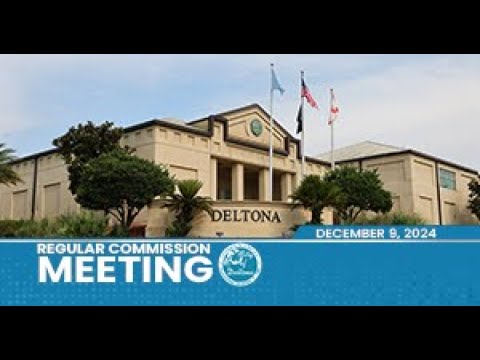
Deltona Commission votes to join PFAS litigation after utilities tests show low-level detections
Summary
The Deltona City Commission voted 7-0 to authorize joining multi‑party PFAS litigation on a contingency-fee basis after staff and outside counsel described testing results and potential next steps for treatment and claims.
The Deltona City Commission voted 7-0 to adopt resolution 2025-16 authorizing the city to participate in PFAS litigation and retain counsel on a contingency basis.
Attorney James Farrar of the Farrar Law Firm gave the commission a short presentation on the proposal and said the firm would advance costs and “the city does not come out of pocket for a dime.” Farrar told commissioners the firm has been involved in PFAS litigation since 2018 and that the engagement would include analyzing Deltona Water Department test results, identifying potential claims for drinking water and soil, and pursuing recoveries against multiple manufacturers.
City staff and utilities officials described recent federal testing and what it might mean for Deltona residents. Jim Parrish, Deputy Utility Director, said the city’s required UCMR‑5 tests produced an average of 6.4 parts per trillion across samples and noted the Environmental Protection Agency’s draft benchmark the commission discussed was 4 parts per trillion. Parrish cautioned that the final maximum contaminant level (MCL) could change and that regulatory requirements and available funding remain uncertain.
Why it matters: joining litigation would not require up-front city legal spending under the proposed contract and could produce funds to help pay for future treatment if federal MCLs require system upgrades. Commissioners and members of the public pressed staff and counsel about current test results, treatment options, and the plan for spending any recovery.
Commissioners and public questions focused on scope, cost and health messaging. Farrar said the firm’s proposed contingency fee was 15 percent of any recovery, lower than typical private‑client contingency fees and common in municipal representations. Farrar said the firm would analyze whether Deltona qualifies as a “phase 2” claimant under federal settlement frameworks and would pursue additional defendants and claims beyond the major manufacturers. Parrish and Farrar both said treatment options include granular activated carbon, reverse osmosis and other systems depending on the final regulatory target; Parrish added that if a lower regulatory number is adopted the city may need to consider treatment upgrades.
Public commenters urged the commission to join the suit, citing testing in nearby springs and concern about long‑term exposure. Multiple speakers who identified themselves as Deltona residents told the commission that earlier testing in regional springs and utilities showed detections and urged the city to pursue recovery and remediation funds.
The commission approved the resolution unanimously. The motion to approve was made by Commissioner Lully and seconded by Vice Mayor Harriot; the vote was 7 to 0.
What’s next: Staff said the city will work with retained counsel to review Deltona’s testing data, identify potential claims, and return to the commission with details about any proposed use of recovered funds and next steps for treatment planning.