Get Full Government Meeting Transcripts, Videos, & Alerts Forever!
Get email alerts on the Municipal Code Enforcement topic
No spam. Unsubscribe anytime.
Appeals court hears pro se challenge after municipal fire and health orders in Oxford dispute
Summary
Pro se appellants argued the town of Oxford misapplied fire- and health-code enforcement and that procedural dismissals should not moot judicial review; the town said appeals were moot or procedurally barred and urged deference to administrative exhaustion rules.
A panel of the Massachusetts Appeals Court heard pro se arguments from Casey Fleming and others challenging municipal enforcement actions by the town of Oxford, including a fire-department order about electrical equipment and health/board-of-health proceedings.
Appellant Casey Fleming argued the town issued a string of enforcement actions after inspection, sometimes citing extension cords where the equipment was relocatable power taps (RPTs); Fleming said the town used repeated orders and administrative processes to pressure him to leave town and sought a judicial determination that the administrative decisions were wrong. Fleming also argued the appeals should not be treated as moot after he sold the property because related federal litigation remained pending and the state rulings would be relevant there.
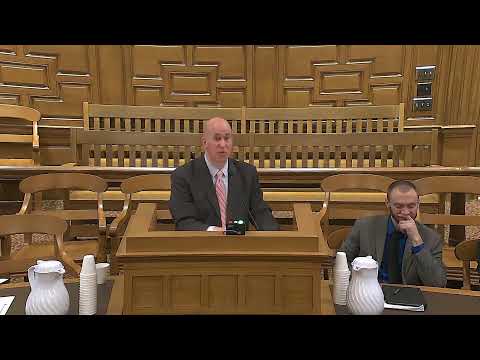
Town counsel Roger Smaraj responded that the superior-court and administrative dismissals were procedural, that the record did not support claims of widespread retaliatory conduct, and that the SJC's mootness doctrine (citing city of Lynn precedent) bars review of appeals where the moved issues are rendered academic. Smaraj also argued the appellants failed to exhaust administrative remedies (Chapter 22D fire-review board) and that the documentary record supported dismissal for lack of exhaustion or timely service in the BOH matter.
The panel probed both sides about remedies available to a municipality that discovers code violations (administrative warrant/inspection, new citation), the scope of the fire-review board's jurisdiction under Chapter 22D, and whether the clerk's office and counsel's conduct made timely service impossible. Appellants also pressed that their trial counsel's alleged neglect warranted reopening under Rule 60(b); the town replied that record facts supported the trial court's discretionary denial. The court took the matters under advisement.