
Nursing department reports surge in school medical care; district staff urge more nurses and longer health-aide hours
Get AI-powered insights, summaries, and transcripts
Subscribe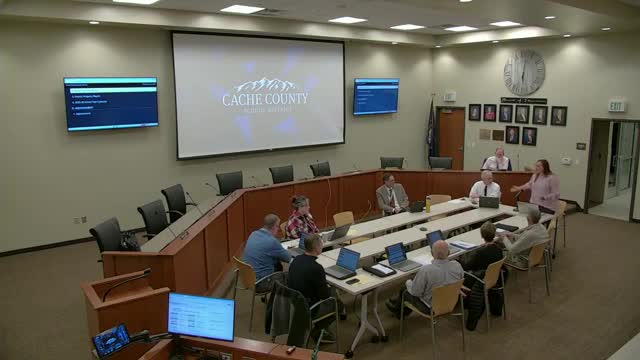
Summary
The district’s health services report said nurses and health aides provided far more student medical 'cares' than in prior years, supporting students with diabetes, g-tube feeds and other high-acuity needs; staff asked the board to consider reducing nurse-to-student ratios and expanding health-aide hours.
Stephanie Adams, presenting the district’s health services report, told the board on Jan. 2 that school nurses and health aides substantially increased the volume and acuity of student medical care in recent years and asked for continued support to maintain staffing.
"Because of them, because of this work they're doing, these kids are in school," Adams said, attributing increased attendance and access to instruction to the nursing team's work. Adams said the district serves 20,224 students and that 956 students have specific health care plans on file.
Adams described the department: a head nurse (Karen Peterson) and an assistant head nurse (Heidi Bowler) oversee four primary school nurses who are home-based at high schools, and 20 health aides who cover elementary and some middle school shifts. Health aides are scheduled about four hours per day (frequently 10 a.m.–2 p.m.) to cover the lunch period and busier office times; principals sometimes stagger coverage to extend support. Adams said the district’s nurse-to-student ratio is roughly 1:3,300, compared with a commonly cited state desired ratio of about 1:2,000.
Adams presented year-to-year data the nurses track. In 2018–19 health aides documented roughly 9,000 “cares”; the presenter said the most recent full year’s data showed about 56,000 documented cares, including injuries, medication administration, asthma events, concussions and diabetic care. Adams said part of the growth in concussions and other logged events is improved identification and documentation because trained staff are present longer during the day.
Adams gave examples of higher-acuity interventions: nurses identifying a student who required air transport after a fall; an outreach that arranged clean medical supplies for a refugee family with a child who has spina bifida; and nursing staff catching a forged doctor’s signature and coordinating corrected medical orders. Adams and board members said retaining consistent staff year-to-year improved the district’s ability to raise training levels and quality of care.
Board members asked whether nurse staffing has increased to match need; Adams said staffing had grown only modestly over many years and that funding and hiring are constraints. The nurses will continue providing training (CPR, Stop the Bleed), assist with 504 and health care plans, and act as floats to support schools with multiple high-acuity students.
The board received the report as information; Adams asked the board to consider maintaining current health-aide hours and, if possible, reducing the nurse-to-student ratio by adding positions or hours.