
Residents urge council to prioritize blight removal; council hears update on condemned East Side building
Get AI-powered insights, summaries, and transcripts
Subscribe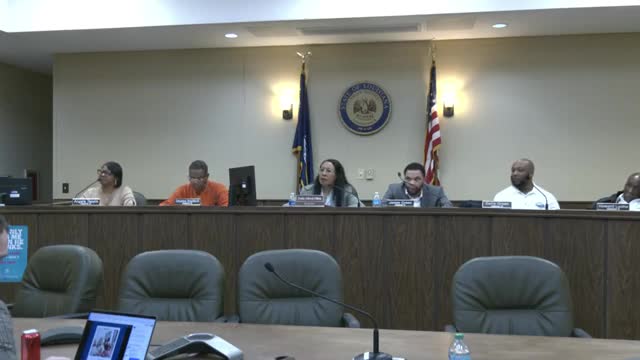
Summary
Multiple residents urged the council to use ARPA and other funds to address blighted properties and downtown appearance. Staff and the city attorney said the East Side building has been condemned and that public works and administration must determine demolition steps, including asbestos and engineering reviews.
Several residents used the public‑comment period to press the council to direct ARPA and other city funds toward code enforcement and demolition of long-blighted properties, including the Lowry and Nelson buildings.
Resident Cindy Hendrix — who identified herself as a district resident and local business owner — told the council that dilapidated structures and vacant properties harm the city's appearance and economy. "We've got to clean up, because the looks of it is because we look like we don't care," she said, urging the council to allocate funds for demolition and downtown upkeep. Another commenter asked whether ARPA funds could be directed to tear down condemned buildings and to increase district-level spending on blight.
Council members and staff discussed the legal and procedural steps for demolition. City Attorney Devin Jones confirmed the East Side building the public mentioned "has been condemned" and that, once condemned, the building moves into administration and public‑works channels for engineering evaluation. "Legally, I'm done with it. It's condemned," Jones said, but added there may be other considerations — such as asbestos or other hazardous materials — that affect cost and timing.
Staff told the council that if demolition will be expensive, one option is to perform targeted work (for example, securing or roofing a structure) while the city pursues the full abatement or demolition process; another option is to pursue fines and enforcement actions against property owners. Several council members said they regularly receive constituent complaints about long-standing blight and asked administration to provide clearer timelines for action.
Ending: Council members asked administration to return with project cost estimates and an implementation timeline; council also noted that district-level allocations from the recently approved ARPA split could be used for targeted blight removal while larger procurement and environmental issues are resolved.