Get Full Government Meeting Transcripts, Videos, & Alerts Forever!
Get email alerts on the Recovery Treatment Court topic
No spam. Unsubscribe anytime.
Recovery Treatment Court graduates praised for rehabilitation and mindfulness
Summary
Speakers at a Recovery Treatment Court graduation described participantsmoving from reluctance at plea to gratitude at graduation and highlighted mindfulness, meditation and other program practices as factors in recovery.
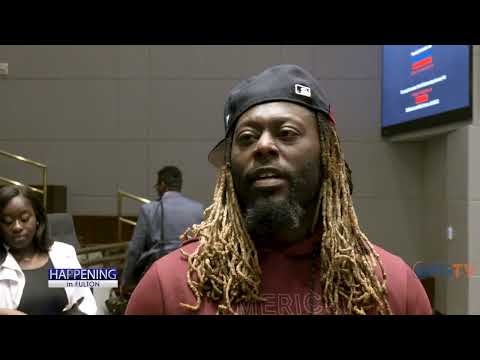
Speaker 1, a ceremony speaker, opened remarks by urging recognition of participantswho completed the Recovery Treatment Court program: "We are here to celebrate our Recovery Treatment Court graduates. This program is so interesting," the speaker said.
The speakers described a change in participantsfrom initial resistance to later appreciation. "When participants take their plea immediately, within 5 minutes of taking their plea, most of them have an attitude they don't wanna be here. On graduation days, most of them are grateful. They are proud of themselves," Speaker 1 said.
Speaker 2 highlighted program components used in earlier phases, saying "Early on in the phases, a lot of mindfulness work, whether it be meditation, whether it be mantras. I know that miss Tabia was big on doing mindful exercises, to kinda help you find your center and your balance." Speaker 3 added emphasis on personal responsibility during the program: "Part of what you've done in this program are those hard things that involved growing up just like I had to do because I'm exactly like you."
Speaker 2 later urged humility and sustained effort as part of recovery: "Humble yourself and understanding that there's some things that you need to work on. Right? Like, it's something you need to work on. It's something that you need to fix. And if you go into the program understanding that it's something that you can work on, something you can fix, and something you're gonna gain from it, then you'll be able to get something out of it."
Speaker 1 characterized the program as a community resource focused on rehabilitation and contrasted it with another local option mentioned in the remarks: "It's needed in our community. It's way better than Rice Street like the speaker said, because it's all about, you know, rehabilitation, and that's what we need in our community. So I appreciate that this program for that."