Get Full Government Meeting Transcripts, Videos, & Alerts Forever!
Get email alerts on the Arraignment Guidance topic
No spam. Unsubscribe anytime.
Judge Hayward tells defendants to check rights, records and driver-course approvals at arraignment
Summary
At the Jan. 2, 2025 arraignment calendar Judge Tammy Long Hayward delivered clear guidance to defendants about pleas, constitutional rights, consequences for drivers (including commercial drivers), and how to obtain approved driver-improvement courses through the Georgia Department of Driver Services.
Judge Tammy Long Hayward used part of the Jan. 2, 2025, arraignment calendar to give defendants step-by-step guidance about pleas, rights and practical steps they should take after their cases are called.
The judge reviewed the basic plea options—"not guilty," "guilty," and "nolo contendere"—and repeatedly emphasized defendants’ rights, including constitutional protections. She told defendants: "You have a 5th amendment right against self incrimination, and you're not required to speak at all," and warned that proceeding to trial without counsel can make it difficult to introduce evidence or comply with rules of procedure.
The court highlighted specific cautions for drivers. The judge advised anyone with a commercial driver's license that criminal convictions or pleas can affect their ability to work: "if you have a commercial driver's license ... make sure that you understand what you are doing when you enter a plea or you go to trial, for with a commercial driver's license." She also corrected earlier statements about points for under-21 drivers, saying the correct threshold is 4 points (not 6) and that a 4-point accumulation may bring a six-month hard suspension without permit privileges.
For traffic cases where diversion is possible, the judge instructed drivers to use approved courses listed on the Georgia Department of Driver Services website. "Don't waste your money googling something," she said, urging defendants to select courses from the Georgia DDS menu so they receive court-acceptable certificates. The judge repeatedly told one defendant to use an approved DDS/NHTSA driver-improvement course rather than an arbitrary online search.
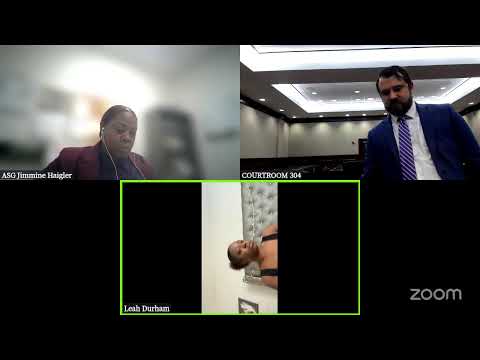
The judge also directed defendants to keep contact information current with the clerk's office to ensure they receive notices for trial dates and avoid bench-warrant consequences. She explained logistical items for the virtual calendar, including how to rename Zoom participants to first and last names, to avoid audio feedback by signing in on only one device, and noted the court streams proceedings to YouTube (Courtroom 304).
Why it matters: Practical courtroom guidance at arraignment affects defendants' ability to protect rights, maintain employment (for CDL holders), and comply with court-ordered diversion programs. Following the judge’s instructions can directly influence case outcomes and collateral consequences.
Ending: The judge ended the arraignment calendar by reiterating that defendants should consult counsel when possible, use Georgia DDS-approved courses for driver diversion programs, and keep in contact with attorneys and the clerk’s office to avoid missed notices or unexpected bench warrants.