Get Full Government Meeting Transcripts, Videos, & Alerts Forever!
Get email alerts on the Strategic Planning topic
No spam. Unsubscribe anytime.
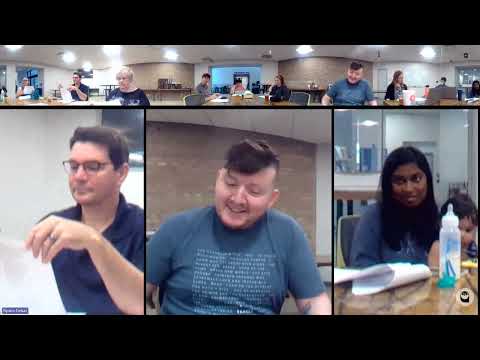
Library board discusses City Roadmap to 2045 and ways to improve connectivity, outreach to westside neighborhoods
Summary
Board members reviewed the city’s Roadmap to 2045 and discussed the library’s role in improving connectivity — proposals included park-based book-drop bins, pop-up services, outreach at Mercer Crossing events, and partnering on sustainability or safe-streets education.
The Farmers Branch Library Board discussed the City’s Roadmap to 2045 and explored how the library could support the plan’s goals for connectivity, equity and sustainability.
Board Chair Kristen summarized the roadmap’s emphasis on a “city in a park” and on connecting neighborhoods across major barriers such as the I-35 corridor. She suggested the library adopt outreach measures to reduce the perceived distance between the central library and west-side neighborhoods, including placement of book-drop bins in parks, pop-up library carts, or periodic bookmobile-style visits.
Members raised practical questions about cost and responsibility. Kristen noted that the library’s budget is within Parks & Recreation and suggested that a book-drop bin placed in a west-side park might fit into Parks & Recreation capital planning. David checked driving times and said the far west of the city is roughly “9 minutes by highway, 12 by non-highway,” observing that the distance is modest but is perceived as a barrier by residents.
Board members suggested volunteering at neighborhood festivals, wearing library-branded shirts, and staffing booths at local events in Mercer Crossing to raise visibility. The board discussed the idea of a permanent satellite facility versus pop-up services; members said pop-up or book-drop solutions could be a lower-cost start. The board also touched on sustainability features mentioned in the roadmap, including EV charging and greener practices; members noted grant funding is often used for EV chargers rather than direct city capital funds.
No formal action was taken; the board directed staff to identify short-, medium-, and long-term ideas and to return with possible costs and timing at a future board meeting.