
Judge limits detective's expert role, delays geolocation evidence in O'Donnell pretrial; privilege hearing ordered
Get AI-powered insights, summaries, and transcripts
Subscribe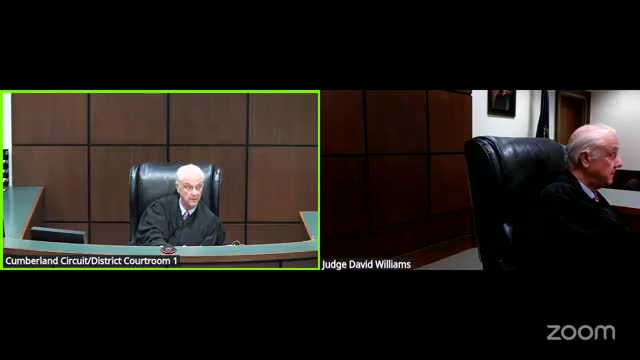
Summary
At a Cumberland Circuit Court pretrial conference in the Thomas O'Donnell capital case, the judge ruled the prosecution's investigator is not currently qualified as an expert witness, said the FBI geolocation report may take a month or two, and ordered an evidentiary hearing if the Commonwealth receives materials from a jail notebook that could be
At a lengthy pretrial conference in Cumberland Circuit Court, the judge in the case against Thomas O'Donnell ruled that a prosecution investigator will not be presented as an expert witness at this time and set steps for handling geolocation evidence and alleged jail-notebook disclosures.
The court said the FBI geolocation analysis requested by the parties — from a specialist named Elizabeth Wheeler — remains pending because the analyst must complete peer review. The prosecutor told the court that the report "might be a month or 2" before it is available. The judge said the parties should expect to review the report before deciding whether to call a separate expert to challenge or supplement it.
Why it matters: The ruling limits what the jury will initially hear from the Commonwealth's investigator about cell‑phone location data and requires the prosecution to produce any credentials if it later seeks to qualify the investigator as an expert. The status of the geolocation report and any disputed disclosures from jail notebooks could affect the evidence presented at trial and whether certain penalty‑phase aggravating circumstances are proven.
The court explained it will allow the investigating detective to give an overview of what was collected and how it was used but will not permit the officer to testify as a qualified expert "as of now." The judge said, in part, "As of now, he is not qualified as an expert witness," and that qualification could be revisited if the Commonwealth later develops more foundation or produces credentials.
The prosecutor told the court it has been trying to obtain a geolocation report from an FBI specialist and that the agency's peer-review process has delayed delivery. The prosecutor said detective Burton's credentials had been promised in August; the judge ordered the Commonwealth to provide those credentials if it wishes to qualify Burton later.
Separately, defense counsel pressed for a hearing about alleged violations of attorney‑client materials at a jail. The defense said jail employees had reviewed notebooks marked as privileged, and suggested information from those notebooks may have been communicated to the Commonwealth and influenced a later motion for enhanced penalties. The judge ordered that if the Commonwealth receives any information about potential disclosure of privileged materials from jail staff, it must immediately notify the defense and the court will hold a hearing. The judge said he would consider an in‑camera review if defense counsel could point to specific allegedly prejudicial material.
The court also discussed scheduling: the judge proposed trial scheduling options in spring 2026 and urged the parties to align expert review and discovery timelines. The court said it will review the geolocation report when it arrives and decide whether additional expert testimony is necessary.
Speakers quoted in this article spoke during the court proceeding; attributions use the participants' names and roles as recorded on the docket.