Get Full Government Meeting Transcripts, Videos, & Alerts Forever!
Get email alerts on the Wildlife Rehabilitation Permits topic
No spam. Unsubscribe anytime.
Michigan lawmakers probe DNR permit practices after rescue groups say fawns, coyotes faced euthanasia
Summary
Lansing — The Oversight Subcommittee on Weaponization of State Government heard testimony on alleged permit delays, retaliatory enforcement and euthanasia orders by the Michigan Department of Natural Resources in cases involving wildlife rehabilitators, including a fawn known as “Peanut” and a nonreleasable coyote called Coda.
Lansing — The Oversight Subcommittee on Weaponization of State Government heard testimony on alleged permit delays, retaliatory enforcement and euthanasia orders by the Michigan Department of Natural Resources in cases involving wildlife rehabilitators, including a fawn known as “Peanut” and a nonreleasable coyote called Coda.
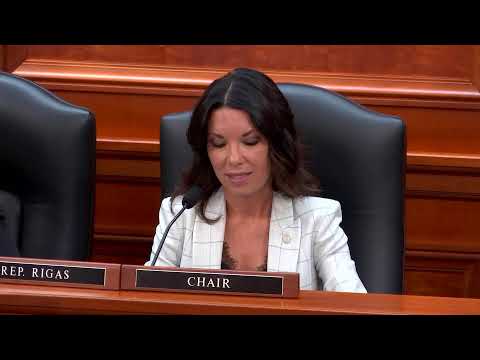
“Why does the DNR’s first instinct seem to be killing an animal instead of saving it?” Chair Regas asked at the start of the hearing, framing lawmakers’ scrutiny of agency policy and practice. The committee heard extended testimony from Dr. Kelly Labonte, founder of the Detroit Animal Welfare Group, and her attorney, Celeste Dunn, who said the DNR has pursued revocation proceedings against Labonte’s permits and advised outside facilities to euthanize animals rather than grant permit amendments or extensions.
The testimony described two current, high-profile cases. Peanut, a fawn taken in May after severe neurologic injury, was transferred in September to Howell Nature Center after the Detroit Animal Welfare Group said its application to retain Peanut under a scientific collector’s permit was not approved. Labonte said Howell’s request to amend that center’s permit to accept the fawn was initially denied and that DNR staffers told Howell to euthanize the animal; public outcry and intervention by lawmakers and the governor’s office, she said, led the DNR to reverse that instruction and allow Peanut to remain at Howell.
Labonte said her organization takes in roughly 1,000 wild animals a year and had rehabilitated more than 103 fawns that year. Rehabilitating fawns, she said, is resource intensive: “We have to drive 5 hours every week to get milk … we go through 100 gallons of fresh goat’s milk,” she told the committee.
Coda, a young coyote that Labonte said was left on the sanctuary’s porch in February 2018 with a broken leg and a domestic collar, has been the subject of repeated enforcement and litigation, Dunn said. Dunn described a long-running series of administrative and criminal actions that the DNR and the attorney general’s office have pursued, even though the sanctuary holds a USDA exhibitor/rehabilitator license. Dunn said earlier court rulings found Labonte’s animals covered under the USDA permit but that state administrative revocation proceedings remain pending.
Dunn identified a DNR employee she described as the agency’s permit specialist, Casey Reitz, as playing a central role in withholding permits and recommending euthanasia if permits were not issued or amended. “She holds those permit allowances…in her pocket,” Dunn told the committee, saying the permit specialist had refused to process sub-permittee requests, delayed decisions on Labonte’s 2018 educational/scientific collector’s permit application for seven years and, in at least one case, instructed a facility to euthanize rather than accept an animal.
The witnesses criticized changes to the state’s wildlife conservation order (WCO) implemented in 2022, saying they were developed without adequate input from wildlife veterinarians and experienced rehabilitators and that changes — such as a firm October 1 release date for fawns — have resulted in animals being euthanized while still dependent. Labonte and others urged that release, sedation and transport rules be clarified to differentiate hunting-related restrictions from permitted rehabilitative care, including allowing licensed rehabilitators to use sedation when medically necessary.
Dunn asked the committee to examine agency process, pointing to email and inspection records she said showed inconsistent treatment of similarly situated rehabilitators. She highlighted what she described as disparate treatment in which some centers obtained scientific collector’s permits or temporary authority to keep animals past October 1 while Labonte’s applications remained pending. Dunn told the committee that, in some cases, DNR staff did not contact treating veterinarians before ordering euthanasia.
Lawmakers from both parties asked the witnesses for specific reforms. Suggestions included standardized, transparent rules for permit issuance and amendment; written corrective-action plans rather than immediate criminal charges or revocation; use of veterinarians to conduct inspections; and a requirement that DNR staff consult treating veterinarians before issuing euthanasia orders. Representative Shriver said the committee would consider drafting legislation and pursue additional oversight.
Committee members also recorded procedural business. Representative Shriver Wolford moved to adopt the minutes from the committee’s Sept. 24 meeting; with no objection, the minutes were adopted. At the hearing’s close Representative Wolford moved to excuse any absent members; the committee adjourned afterward.
The subcommittee said it will follow up with a formal inquiry to the DNR for records and policy clarifications and indicated plans to pursue corrective legislation if agency responses and additional review indicate statutory or regulatory changes are needed.
For now, Peanut remains at Howell Nature Center, and Coda’s administrative revocation proceedings remain pending; Dunn and Labonte said state action could still lead to seizures or euthanasia if revocation is finalized. The committee hearing record includes witness exhibits, emails and court filings the witnesses said document the delays, permit denials and agency communications discussed during testimony.