Get Full Government Meeting Transcripts, Videos, & Alerts Forever!
Get email alerts on the Medicaid Contracts topic
No spam. Unsubscribe anytime.
House Health and Welfare panel introduces measure to align Medicaid value‑based contracts with state fiscal year
Summary
The committee introduced RS 31996 to move Medicaid value‑based payment contracts to Idaho’s July‑to‑June fiscal year, a change sponsors say would make contract performance review timelier.
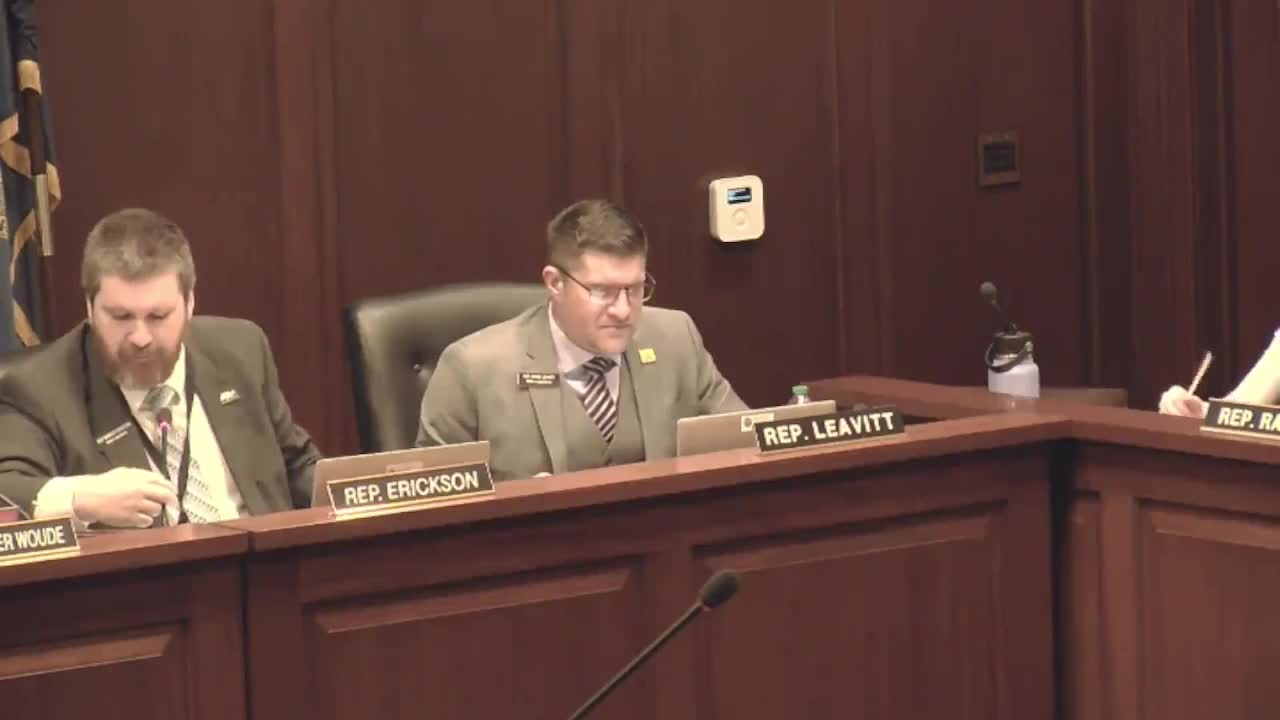
Representative John Vanderbada, sponsor of RS 31996, told the House Health and Welfare Committee that the bill would put Medicaid value‑based payment contracts on the same fiscal year as the state to improve oversight. "The value based contracts will be on the same fiscal year that the state's fiscal year is," he said.
Supporters said the current calendar‑year contract cycle causes a reporting lag that hampers legislative review. Vanderbada said contracts that run Jan.–Dec. finish at the end of a calendar year but can take up to six months to finalize, meaning lawmakers often negotiate new contracts before full performance data are available. "We get here in January and I can't get a report on how that contract has worked… it takes maybe six months for them to finalize the contracts before we can review and see what the performance looks like," he said.
During committee discussion members asked whether contracts could be extended to bridge the timing gap. Vanderbada replied the bill includes a provision allowing contracts to be extended until the new January date so existing agreements would carry over into the six‑month transition window.
A motion to introduce RS 31996 was made and seconded. The committee approved the motion by voice vote; the clerk recorded the outcome as the motion carrying after members answered "aye" and "nay" on the record. The committee did not take a final vote on policy or adoption of the bill at the hearing; the action was introduction of the proposed statute for future consideration.
The measure is aimed at administrative timing and oversight rather than changing benefits or provider payment formulas. Committee members asked technical questions about fiscal notes and whether the change would require carriers or contracted entities to carry interim extensions; the sponsor indicated the bill anticipates extensions where necessary and noted the change would give lawmakers a clearer calendar for reviewing finalized performance reports before negotiating the next year’s contract.
The committee did not adopt substantive amendments at the introduction hearing. The bill will return in a later meeting for substantive debate and any potential amendments.