Get Full Government Meeting Transcripts, Videos, & Alerts Forever!
Get email alerts on the Nutrition Snap Policy topic
No spam. Unsubscribe anytime.
Extensive testimony as committee sets vote to revisit soda‑and‑candy SNAP waiver in two weeks
Summary
Sponsor Rep. Jordan Redmond proposed HB 109 directing Idaho to seek a USDA waiver to prohibit soda and candy purchases with SNAP benefits; the committee heard extensive pro and con testimony, debated procedural motions and ultimately set the bill to return to committee at a time certain after substitute motions and roll calls.
Representative Jordan Redmond introduced House Bill 109, a bill directing the Idaho Department of Health and Welfare to request a waiver from the U.S. Department of Agriculture to exclude soda and candy from purchases with Supplemental Nutrition Assistance Program (SNAP) benefits.
“Banning soda and candy from SNAP would prioritize health and nutrition while reducing taxpayers’ out‑of‑control health care costs,” Redmond said, framing the proposal as a tie between nutrition policy and public spending. He described SNAP’s original purpose as improving diet quality and pointed to WIC as an example of a federal program that already restricts candy and soda.
The committee received extensive testimony on both sides. Supporters included Paige Terryberry of FGA Action and Mike Baker (testifying as a private citizen and health‑system advocate), who cited links between sugary beverages and obesity, diabetes and long‑term healthcare costs. Terryberry argued federal and major health organizations support excluding sugary drinks from SNAP and urged Idaho to lead nationally.
Opponents included Dawn Pierce of Hunger Free America and Pam Eaton of the Idaho Retailers Association. Pierce told the committee federal law limits states’ ability to impose food eligibility restrictions and cited a 2004 USDA FNS denial to Minnesota as evidence states cannot redefine SNAP‑eligible foods without congressional action. Eaton and Melinda Merrill (Northwest Grocery Retail Association) said retailers rely on interoperable, federal EBT rules and warned the waiver — if approved — would force retailers to police purchases, impose heavy operational burdens and create inconsistency across states.
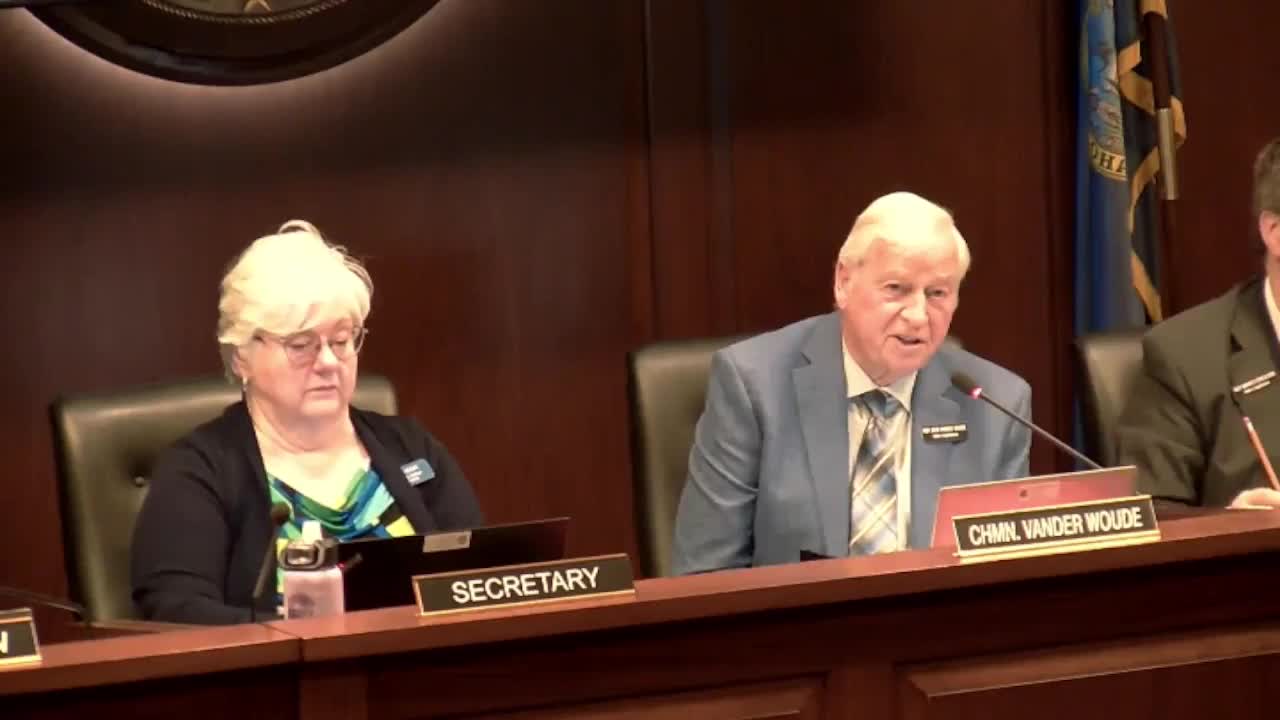
Representative Kaler moved to hold the bill for approximately two weeks to allow stakeholder conversations; other members offered substitute motions to send the bill to general orders or to hold it in committee. After multiple roll calls and substitute motions, the committee adopted the sponsor’s option to set a time certain: the committee will reconvene on the measure in two weeks (motion carried by roll call, 8 ayes to 7 nays). The bill remained otherwise unchanged in committee and will return for further consideration and possible amendment.