Get Full Government Meeting Transcripts, Videos, & Alerts Forever!
Get email alerts on the Medicaid Third Party Payments topic
No spam. Unsubscribe anytime.
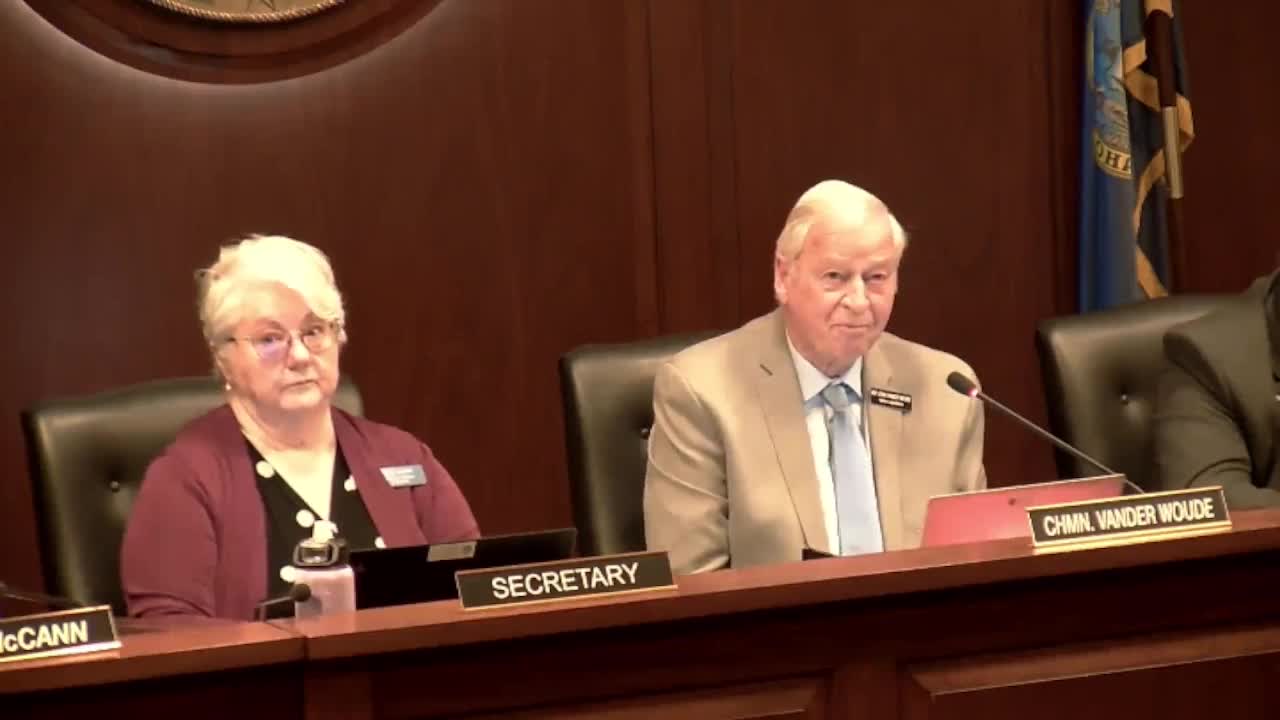
House committee advances bill to clarify Medicaid as payer of last resort for enrollees with third‑party insurance
Summary
The Idaho House Health and Welfare Committee voted to send House Bill 31 to the House floor with a due‑pass recommendation. The bill clarifies payment responsibilities when Medicaid enrollees also have private or employer insurance and cites the Katie Beckett program as an example.
The Idaho House Health and Welfare Committee voted to send House Bill 31 to the full House with a due‑pass recommendation after a brief presentation and a voice vote.
Representative Jordan Redmond, R‑District 3 of Kootenai County, introduced the bill and said its goal is “to release any confusion on payments dealing with Medicaid enrollees that also have third party insurance.” Redmond told the committee the bill is intended to ensure providers are paid promptly and correctly and to relieve taxpayer funds from improper payments.
The bill would clarify a narrow situation in which a person has both Medicaid and another insurer. According to Redmond, the primary insurer would be responsible for honoring and approving prior authorizations for services that are already covered by the primary plan, ensuring Medicaid serves as the payer of last resort. Redmond cited the Katie Beckett program — a program used for some children with complex conditions and disabilities — as an example of where dual coverage can occur when families also have employer‑sponsored insurance.
Representative Healy moved “to send H31 to the floor with a due pass recommendation.” The committee adopted the motion by voice vote; no opposing votes were recorded on the transcript. The committee did not record additional debate or amendments in the transcript.
The committee record shows no further direction to staff and no requests for staffing reports or fiscal detail recorded in the transcript; the bill will proceed to the House floor for further consideration.