Get Full Government Meeting Transcripts, Videos, & Alerts Forever!
Get email alerts on the Media Law topic
No spam. Unsubscribe anytime.
Senate committee sends media shield bill to the floor after reporters testify about subpoenas
Summary
House Bill 158, a proposed media shield law to protect reporters’ unpublished materials and anonymous sources, advanced from the Senate Judiciary and Rules Committee after testimony from several Idaho journalists and a voice vote sending the bill to the Senate floor with a due pass recommendation.
Lawmakers on the Senate Judiciary and Rules Committee voted to send House Bill 158 to the Senate floor with a due pass after journalists and media representatives told the committee the measure is needed to protect confidential sources and unpublished reporting materials from subpoenas.
Senator Dave Lent, sponsor of the measure in the Senate, described Idaho as “one of 10 states in the country that does not protect those folks,” and introduced journalist Melissa Davelin, president of the Idaho Press Club, to describe the bill.
“House Bill 158 would do two things: make it so a reporter couldn't be compelled to testify about their unpublished reporting or anonymous sources, and it would also block attorneys from accessing unpublished materials, notes, and recordings through subpoenas,” Melissa Davelin told the committee. She said the bill’s language is modeled on longstanding statutes in Alabama and Kentucky and intentionally avoids a narrow statutory definition of “journalist” so protections can cover nontraditional and new outlets.
Local publishers described recent subpoenas that they said consumed newsroom resources and exposed confidential communications. Don Day, cofounder of Elevate208 Media, described hiring counsel to quash a subpoena and the time and expense that followed. Nate Sunderland, editor of EastIdahoNews, said a recording between a reporter and a source was played in open court after his outlet fought a subpoena.
“...if an attorney really wants to find out what a reporter and a source are talking about, they can do it with a subpoena. This is a horrible reality for people who come to journalists hoping we can handle their stories with care and the expectation of privacy,” Sunderland said.
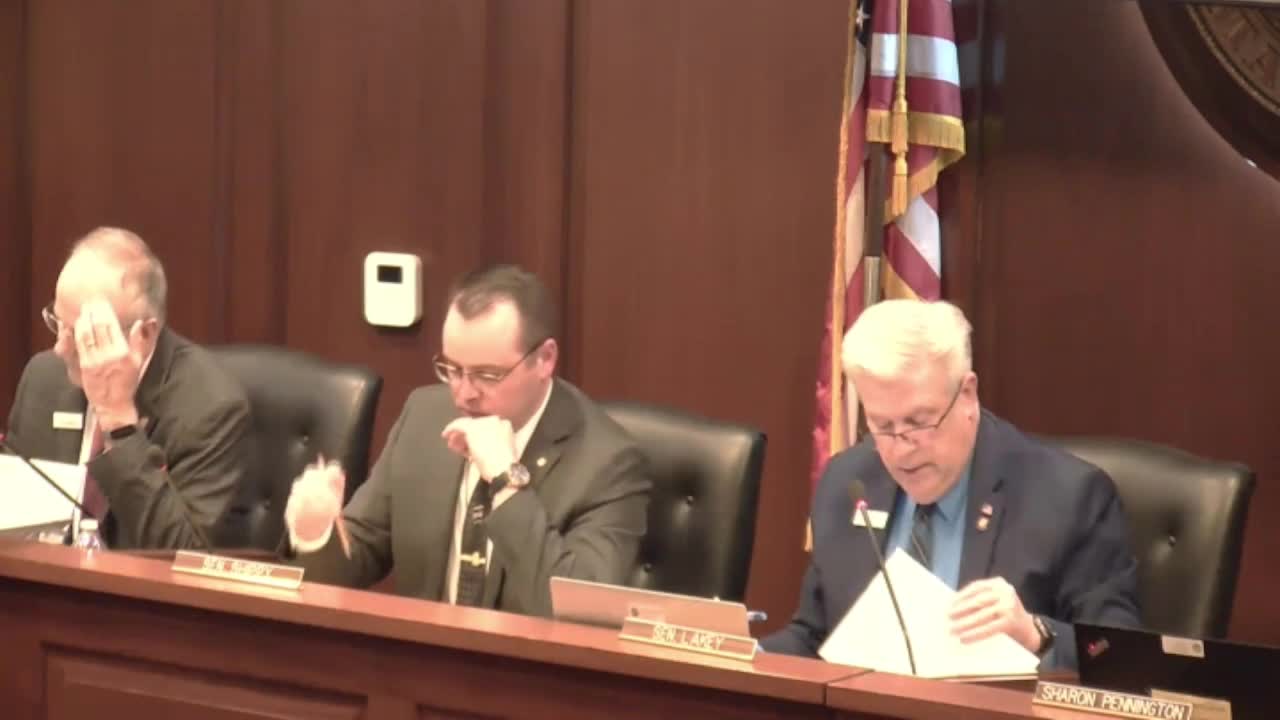
Committee discussion focused on the role of the press in a democratic society and the chilling effects subpoenas can have on sources. Senator Foreman moved—and Senator Ricks seconded—the committee motion to send House Bill 158 to the floor with a due pass. The committee approved the motion by voice vote.
Why it matters: supporters said a shield law would protect whistleblowers, victims, and other confidential sources and prevent local newsrooms from diverting resources to defend subpoenas. Opponents were not recorded in the committee testimony; no opposition witnesses signed in.
Next steps: the bill will be scheduled for consideration by the full Senate; proponents urged committee members to vote in favor on the floor.