Get Full Government Meeting Transcripts, Videos, & Alerts Forever!
Get email alerts on the Criminal Justice topic
No spam. Unsubscribe anytime.
Idaho committee holds bill that would make paying for commercial sex a felony at first offense
Summary
Representative Britt Raybould urged the Senate Judiciary and Rules Committee to approve House Bill 88, a measure that would remove a misdemeanor tier from Idaho’s commercial-solicitation law and make solicitation of commercial sexual activity a felony from the first offense.
Representative Britt Raybould urged the Senate Judiciary and Rules Committee to approve House Bill 88, a measure that would remove a misdemeanor tier from Idaho’s commercial-solicitation law and make solicitation of commercial sexual activity a felony from the first offense.
“...we are essentially going to take the position that it is not acceptable, whether it's the first time, the second time, or the third time,” Representative Britt Raybould said, explaining the bill was meant to “adopt that felony mindset.” She told senators the change traces to a 2023 attorney general human-trafficking report and that prosecutors often find such cases difficult to prove.
The bill’s sponsor described the criminal penalty by reference to Idaho Code 18-112, which she said prescribes felony punishment of up to five years’ imprisonment, a fine up to $50,000, or both. Raybould also cited data she said showed repeat purchasers dominate the market: “of those who purchased in the last year, over 6 plus times, that's 72 percent of that particular population,” she said, arguing that stronger penalties are needed to reduce demand.
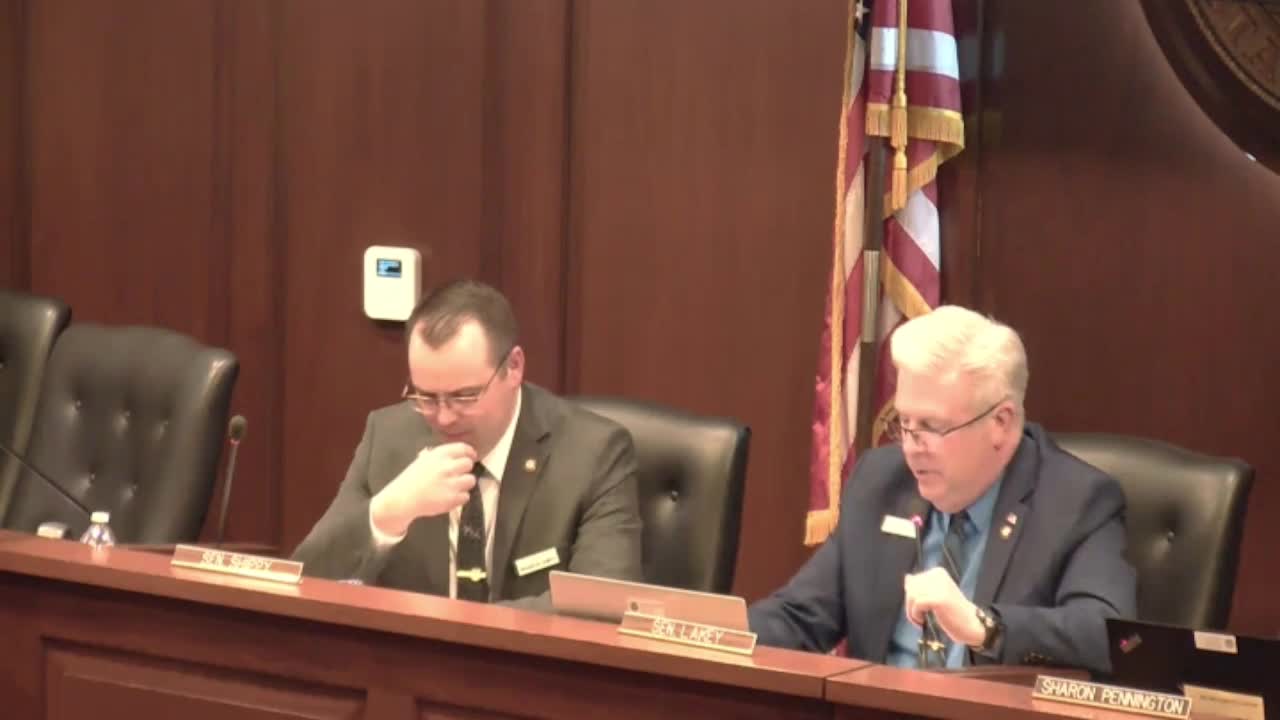
Several senators raised concerns about making a first offense a felony. Senator Foreman asked why a single purchase should carry the same maximum prison term as other felonies, calling a five-year maximum “overly harsh.” Senator Shippey and others offered a hypothetical of a young, naïve adult making a single mistake and warned of collateral consequences. Senator Wintrow and other senators emphasized the committee’s interest in victim-centered responses to trafficking and said adding felonies demands careful consideration.
Supporters framed the change as an effort to attack demand and reduce trafficking. Representative Raybould and Senator Ricks argued stronger penalties could deter repeat purchasers and undercut supply. Opponents said the existing code already escalates penalties for repeat offenses and that prosecutors retain discretion to decline weak cases, meaning a felony-first approach could sweep in one-time offenders.
After floor discussion and competing motions, Senator Lenny moved—and Senator Foreman seconded—to hold House Bill 88 in committee. The motion carried 6–3, and the committee did not advance the bill to the Senate floor.
What happened next: the committee recorded the motion to hold and the formal outcome. No amendments to the bill were adopted during the hearing.
Why it matters: the change would shift the state’s statutory baseline for soliciting commercial sexual activity, moving the offense from a graduated misdemeanor/then-felony approach to an immediate felony for the purchaser. Proponents say it targets the demand that drives trafficking; critics say it risks criminalizing low‑level or one-time conduct and may carry disproportionate collateral consequences.
Pending steps: because the committee voted to hold the bill, further action will require the sponsor to reintroduce the measure or for committee members to move it out of committee at a later date.