Get Full Government Meeting Transcripts, Videos, & Alerts Forever!
Get email alerts on the School Workplace Safety Reporting topic
No spam. Unsubscribe anytime.
Committee hears support and technical concerns for bill to create statewide school employee safety reporting system
Summary
Supporters told the House Committee on Education that a standardized, public-facing online reporting tool for school workplace safety incidents would capture injuries and near misses now going undocumented; school administrators and associations raised concerns about funding, a clear definition of incidents and public access to reports.
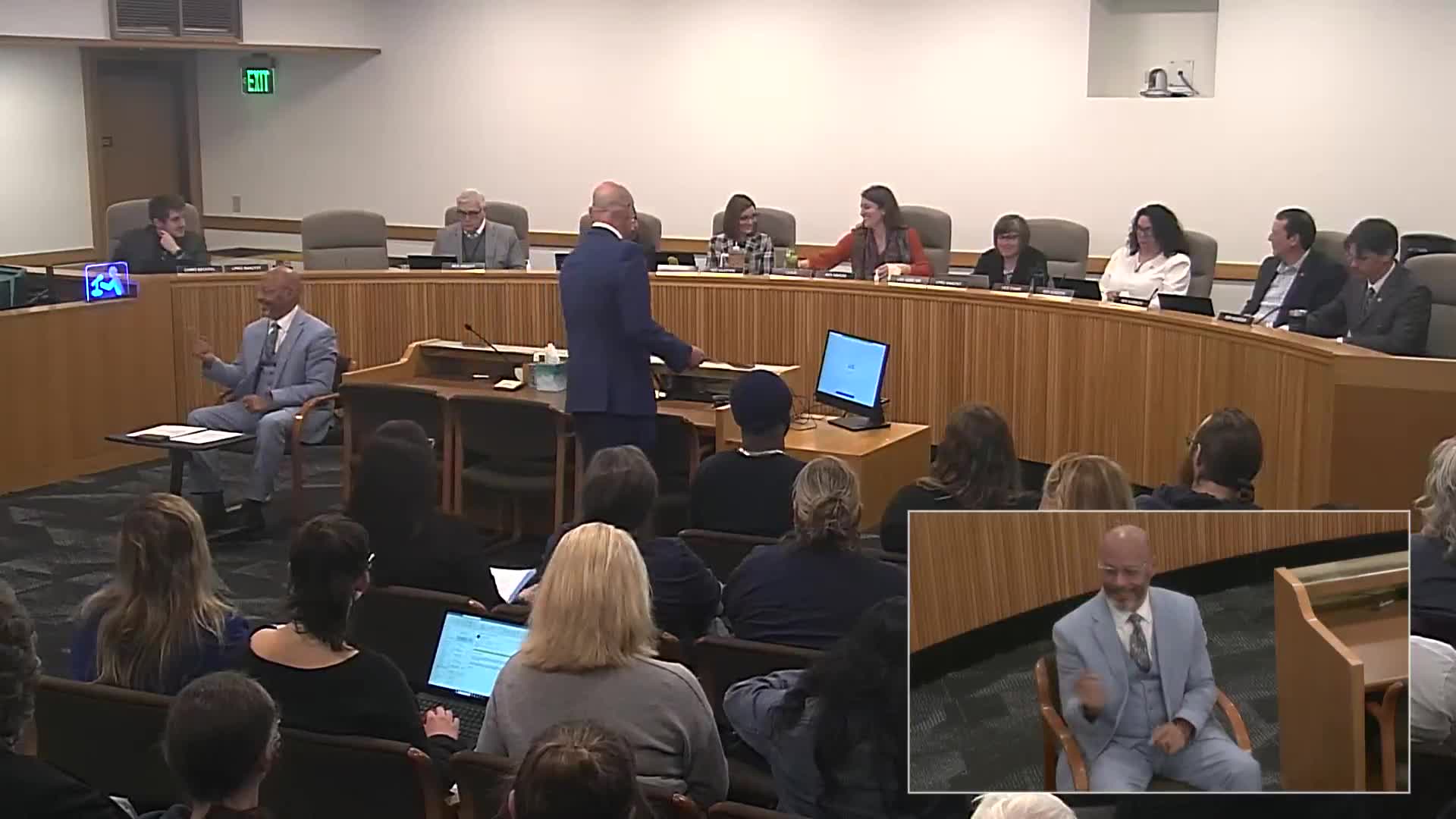
The House Committee on Education heard testimony March 3 on House Bill 3,357, which would direct the Oregon Department of Education, in consultation with the Department of Consumer and Business Services, to create an online system for recording school workplace safety incidents involving school or education service district employees. Proponents asked lawmakers to move the bill forward so the state can measure and address staff injuries they say are currently undercounted.
Backers including State Representative Leslie Munoz and numerous members of the Oregon School Employees Association said the bill would provide a single, easy-to-use online form employees could use to report injuries and near misses. "We cannot fix what we do not measure," Munoz told the committee, and she said the proposal is intended to be "not a new app or an added burden" but a standardized reporting tool modeled on systems the Oregon Nurses Association already uses with the Oregon Health Authority.
Supporters described routine physical assaults, repeated injuries in special education and barriers to reporting such as time, fear of reprisal, difficulty locating district forms and inconsistent training. Terri Harris Jones, OSEA state vice president and a school library director, said district tallies often do not match her experience in schools. Testimony from Elizabeth Craig and chapter leaders reported large numbers of unrecorded incidents in their districts; Craig told the committee Albany classified employees logged nearly 450 student-caused injuries last year alone.
Administrators and district groups voiced technical and policy concerns. Morgan Allen of the Coalition of Oregon School Administrators (COSA) and Adrienne Anderson of the Oregon School Boards Association (OSBA) said the bill currently lacks dedicated funding and staffing for districts or the state agency that would host the system; Allen noted the bill carried a substantial fiscal impact in the prior session. They also warned the bill does not define "workplace safety incident," could duplicate existing state and federal reporting (workers' compensation, OSHA logs and other mandates) and removes a technical advisory committee present in earlier drafts. OSBA emphasized risks to small districts if detailed incident data became publicly accessible and could be re‑identifiable in small classrooms.
OSEA and other proponents said the system is intended to be accessible to school employees and the public in a way that mirrors the nurses' system: employees file reports directly, the submitting association receives a copy, and the state agency aggregates data for lawmakers and researchers. Proponents said they expect an amendment to direct the system to DCBS (the Department of Consumer and Business Services) rather than ODE, and urged the committee to preserve safeguards against reidentification and to minimize duplicative reporting.
Committee members asked technical questions about whether reports filed through the system would be routed to school districts, how public access would be structured, and how the new system would minimize duplicate reporting. Iris Hodge of OSEA told the panel the model mirrors Oregon Nurses Association's approach and is designed to reduce administrative burden by allowing individual employees to submit reports directly rather than rely on office staff to transcribe paper forms.
There was no formal committee vote recorded in the hearing. Proponents asked the committee to refer the bill toward funding discussions; Representative Greg Smith urged colleagues to send HB 3,357 to Ways and Means for funding and implementation work.
The hearing record includes repeated calls for amendments clarifying the bill's definitions, the host agency, public access rules and whether the system will capture near misses and environmental hazards as well as physical injuries. Committee staff and stakeholders agreed to continued technical discussions before further action.