Get Full Government Meeting Transcripts, Videos, & Alerts Forever!
Get email alerts on the Health Policy Pharmacy topic
No spam. Unsubscribe anytime.
Committee advances bill directing state to consider single PBM for Medicaid; stakeholders divided
Summary
Senate bill debated a proposal directing the Department of Medical Assistance Services (DMAS) to contract with a single pharmacy benefit manager (PBM) for Medicaid pharmacy benefits. The subcommittee recommended reporting, but the measure drew concerns from insurers and PBMs and will go to Finance for fiscal review.
The Senate Health Professions Subcommittee and the full Committee on Education and Health reported a bill that would direct the Department of Medical Assistance Services (DMAS) to contract with a single State Pharmacy Benefits Manager (PBM) for Medicaid. The measure was the subject of extended discussion among committee members and stakeholders.
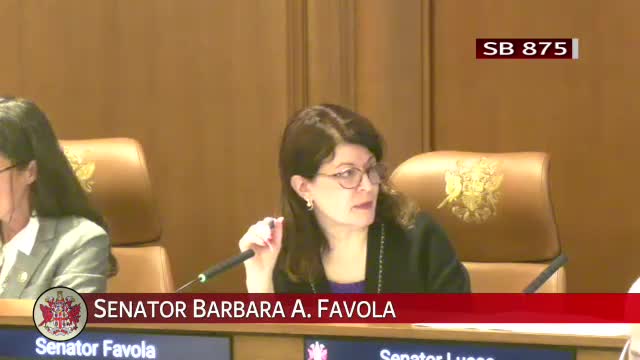
Senator Favola described the bill as directing DMAS "to contract with 1 pharmacy benefit manager for all of our Medicaid insurance carriers," a model some states have used to reduce costs. Favola said proponents argued consolidated management could yield long‑term savings, while representatives of carriers warned it could reduce flexibility for providers and plan sponsors.
Committee debate focused on concerns raised about competition, vendor conflicts of interest, and whether a single PBM could meet plan and provider needs. An offered amendment would have barred any PBM contracted as the State Pharmacy Benefits Manager from holding business relationships that created conflicts of interest with Medicaid providers or vendors. Subcommittee deliberations included stakeholder input that the provision might be unnecessary because PBMs could still compete for the contract.
General Counsel advised that removing the conflict‑of‑interest clause would not change the procedural referral to Senate Finance; committee members noted the transition could be costly even if savings might accrue over the long term.
The committee voted to report the bill and re‑refer it to Senate Finance for fiscal review. The committee record shows a mixed vote in subcommittee and subsequent committee actions; the final committee vote to re‑refer was recorded with one abstention noted during the full committee roll call on referral.
Because the bill may affect Medicaid pharmacy contracting and state Medicaid expenditures, senators directed a fiscal review in Senate Finance before further action.