Get Full Government Meeting Transcripts, Videos, & Alerts Forever!
Get email alerts on the Deq Staffing Permitting topic
No spam. Unsubscribe anytime.
DEQ warns permitting delays as staff turnover rises; seeks targeted pay increases and funding transfers
Summary
Idaho Department of Environmental Quality officials told the legislative budget committee that turnover and vacancies are lengthening permit timelines, and they proposed targeted pay increases plus a work plan for transfers from wastewater funds to support Bunker Hill remediation; legislators asked for detailed plans and timelines.
The Idaho Department of Environmental Quality (DEQ) told the joint legislative budget committee that persistent staff turnover and vacancies have lengthened permitting timelines and that the agency needs targeted pay adjustments to retain specialized staff.
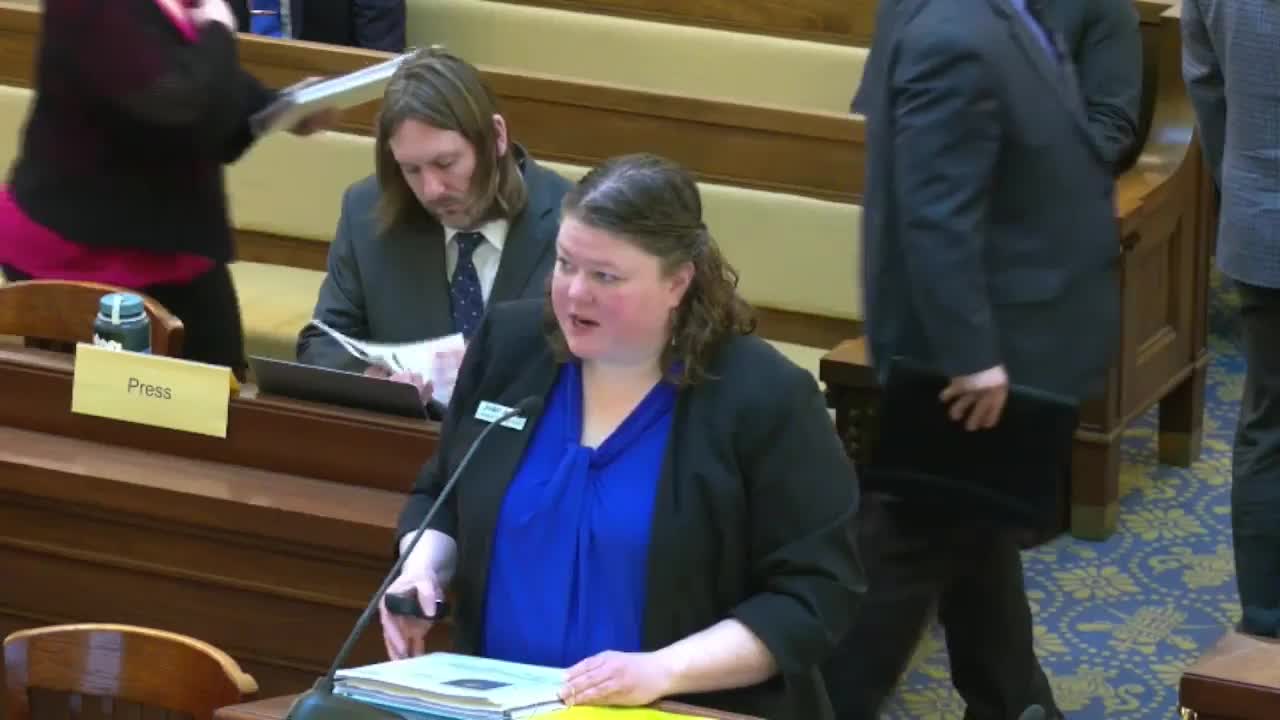
Director Jess Byrne introduced DEQ’s budget materials and described an agency that has fewer technical staff in many permitting programs today than in prior years. Byrne told the committee that vacancies and turnover are the principal drivers of slower permit issuance and that training new technical staff is time‑consuming. “The average amount of time new employees are staying with us is 2.8 years,” Byrne said, and several technical permitting programs have experienced high vacancy percentages in the last year.
Why it matters: Legislators from both parties pressed for data showing how permitting delays affect local businesses and projects, and for a clearer plan tying compensation changes to hiring and retention outcomes.
Permitting performance: Committee members reviewed performance measures showing permit issuance targets and actuals. Director Byrne said air permit average processing time had grown from about 89 days to roughly 160 days in the most recent measures, and that surface‑water permitting programs have also seen higher vacancy and backlog rates. Byrne said DEQ has identified the positions with the greatest recruitment and retention challenges and included targeted pay adjustments in the agency’s request.
Compensation proposal: Byrne explained the governor’s recommended targeted pay increases and the agency’s request to raise entry‑level starting pay for critical classes. “Our proposal would raise the minimum to 83% for hiring new staff. And then for very targeted positions that we have the most difficult time filling, it would bring that minimum up to 86%,” Byrne said. She said those targeted increases are intended to be combined with a pay plan increase (CEC) previously approved by the committee to improve competitiveness.
Legislators asked for detail: Representatives and senators asked DEQ to supply a program‑level plan showing which positions receive the increases, how many employees would see salary movement and how the plan would be monitored for effectiveness. Representative Annemarie requested the agency provide the plan detail to Legislative Services for committee distribution.
Wastewater and remediation funds: Committee members also questioned DEQ about the water pollution control account and the basin remediation account for the Bunker Hill Superfund site. Byrne explained that a statutory transfer of $4.8 million from sales tax distributions periodically flows into the water pollution control account to preserve match capacity for federal wastewater and drinking‑water loan capitalization grants. DEQ asked to transfer $1.5 million from that account to the Bunker Hill basin remediation account; Byrne said the agency is aiming for a $45 million basin remediation balance over time and the requested transfers are a planned, staged effort toward that target.
Tire cleanup and deficiency funds: When asked about the Waste Tire Deficiency Fund, Jessup (Legislative Services) explained that a negative balance appears when the agency issues a deficiency warrant to pay for a hazardous tire cleanup and that the Legislature later repays the deficiency; by 2023–24 the account had been repaid and no negative balance remained.
Impact on businesses: Committee members asked how delayed permits affect projects and economic activity. Byrne replied that delayed air or wastewater permits can delay construction and project start dates; DEQ said it triages permits so projects that are directly holding up economic activity are prioritized when possible.
Ending: Byrne closed by emphasizing DEQ’s commitment to efficient, streamlined regulation while noting that staffing stabilization is necessary to preserve performance and state primacy over federal programs. She asked the committee to consider the targeted compensation plan as a workforce stability step and to allow the agency to report back with program‑level details.