Get Full Government Meeting Transcripts, Videos, & Alerts Forever!
Get email alerts on the State Budget topic
No spam. Unsubscribe anytime.
State budget office projects $338 million FY2025 ending cash; governor proposes $5.65 billion general fund for FY2026
Summary
Legislative budget staff presented FY2025 cash reconciliation and the governor's FY2026 recommendations, showing a multi‑hundred‑million dollar structural surplus, proposed transfers to savings and targeted spending, and policy choices between tax relief and ongoing program increases.
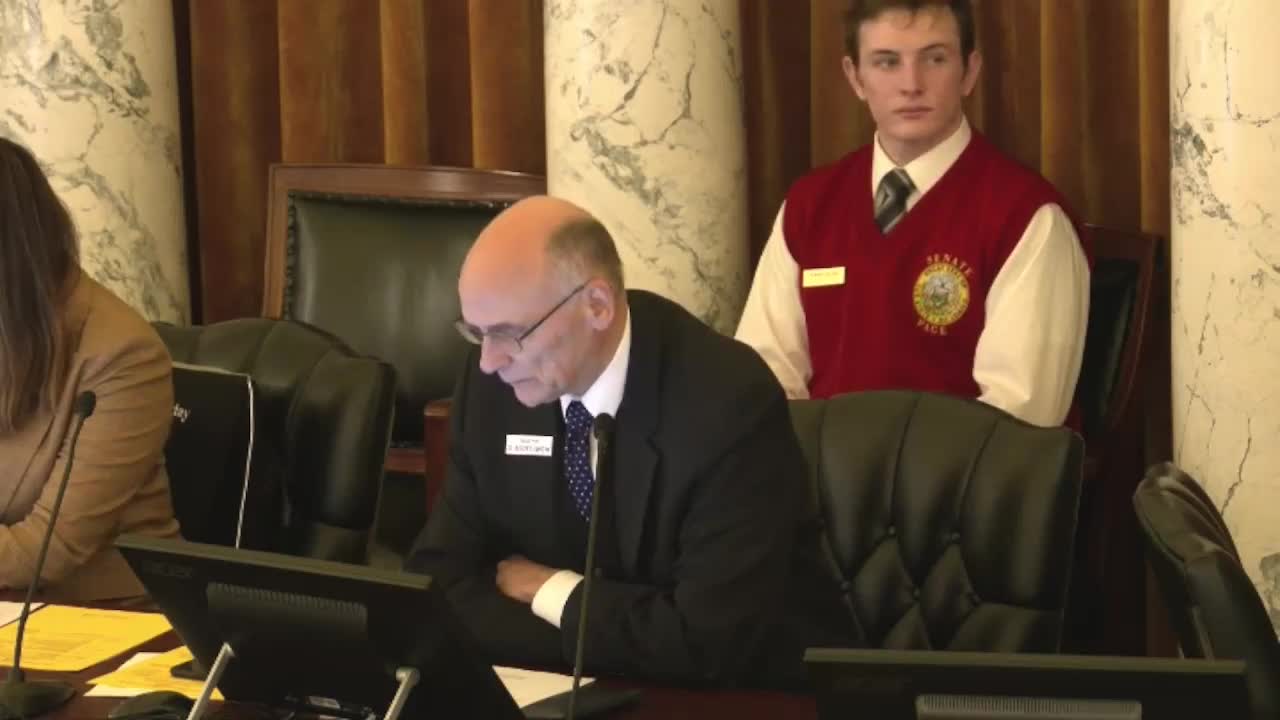
At a Joint Finance‑Appropriations Committee meeting, Keith Bybee, division manager for budget policy analysis at the Legislative Services Office, told committee members the state projects a $338 million ending general fund cash balance for fiscal 2025 and described the governor's FY2026 recommendation that totals roughly $5.65 billion in general‑fund appropriations.
Bybee framed the revenue story with the COVID‑era spike — general fund collections rose from about $4.0 billion to $6.2 billion over two years — and said Idaho's larger population has raised the baseline for tax receipts. He told the committee the new baseline is closer to $5.7 billion and that the governor's revenue forecast for FY2026 supports a structural surplus of roughly $700 million across the next three years.
The nut of the presentation was the policy choice the surplus creates: use one‑time funds for targeted projects, expand ongoing programs, or pursue tax relief. "You have a lot of choices," Bybee said, and warned the committee that balancing tax relief against sustaining state services will be a central challenge.
Bybee walked the committee through the legislative budget book cash reconciliation (pages 6–7 of the book he referenced). He said the governor's FY2026 recommendation includes: program‑maintenance general fund appropriations of roughly $5.4 billion (a 3.4% increase over FY2025 original appropriations), enhancements totaling about $242 million, and total proposed appropriations of about $5.65 billion (a 7.4% increase year over year). He said the governor's recommendation relies in part on about $160 million of one‑time cash.
On transfers and adjustments, Bybee reported the governor's plan shows roughly $578.9 million in transfers out (including transportation and other uses), partly offset by an anticipated $62.8 million transfer into the general fund from the closed bond levy equalization account. Asked whether returning that $62.8 million would affect school bonding, Bybee and later staff explained the funds come from the prior bond levy equalization program closed by House Bill 521; the law called for remaining balances to revert to the general fund once the program was deleted.
Bybee also summarized long‑term choices the committee will face: the governor proposed transfers of $59 million to the budget stabilization fund and $50 million to the public education stabilization fund, moves that would raise those accounts closer to their statutory caps. He highlighted that last year's law temporarily set aside the statutory cap to avoid automatic transfers back to the general fund when balances exceeded the limit.
The presentation included a historical view of transfers and one‑time spending, showing roughly $6.1 billion of general fund transfers or one‑time projects from FY2021–FY2025, including transportation projects, permanent building fund projects and tax rebates. Bybee said the state is in a stronger cash position now than in the 2009 recession but emphasized the legislature must decide how much to set aside for reserves versus spend now.
Why it matters: the governor's recommendations and the revenue forecast give the legislature room to set priorities this session, but the committee must weigh one‑time transfers, savings account caps, and ongoing program costs when crafting final appropriations.
Questions and follow ups: committee members asked for clarification about the bond levy equalization closeout and the historical use of certain contingency funds. Bybee said staff will follow up with additional details on the bond program closeout and the governor's emergency fund history. No formal votes occurred during the presentation.
Ending note: Bybee told the committee the work ahead — setting program maintenance and enhancement decisions — will take several working days during session. "We're gonna have our work cut out for over the next week and a half," he said.