Get Full Government Meeting Transcripts, Videos, & Alerts Forever!
Get email alerts on the Community Colleges Capacity topic
No spam. Unsubscribe anytime.
Community college presidents tell House committee enrollment, waitlists and workforce demands strain capacity
Summary
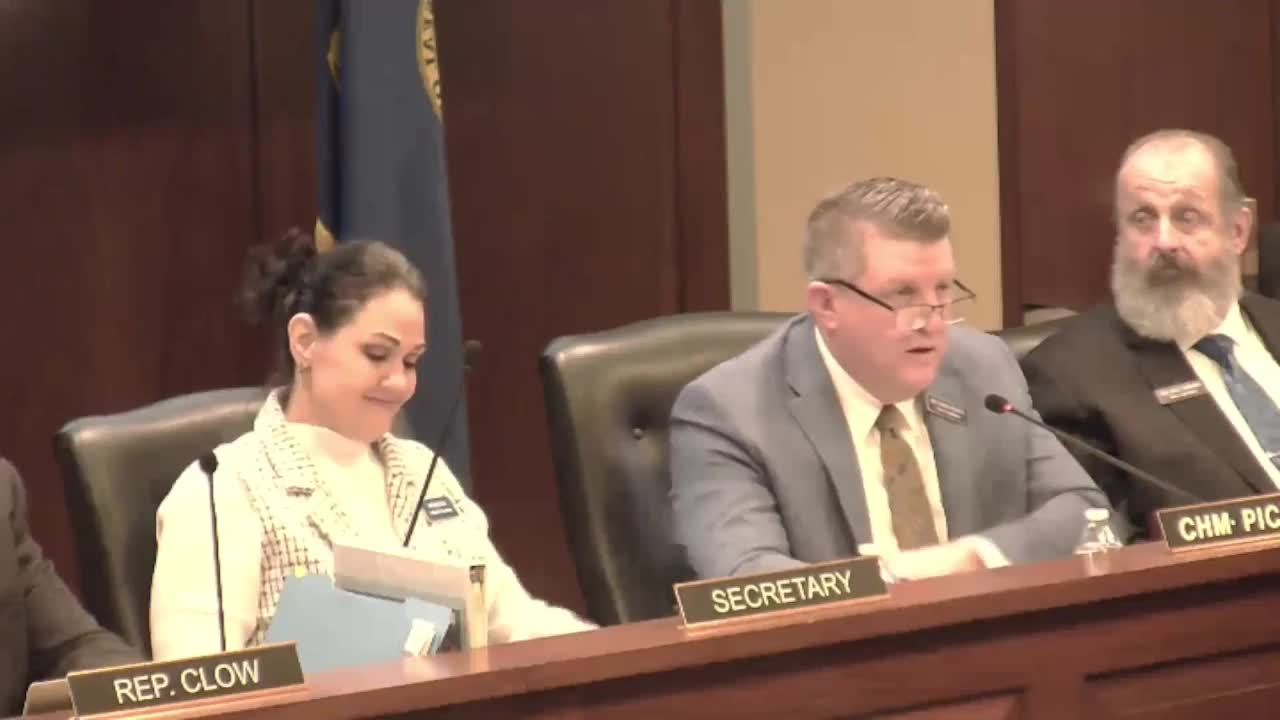
Presidents from Idaho’s four community colleges told the House Committee on Education on Feb. 3 that rising enrollment, full classes and program wait lists are creating capacity and staffing strains that require additional state investment.
Presidents from Idaho’s four community colleges told the House Committee on Education on Feb. 3 that rising enrollment, full classes and program wait lists are creating capacity and staffing strains that require additional state investment.
"We are, I believe, workhorses for our economy and for our communities," Gordon Jones, president of the College of Western Idaho, told the committee as he described CWI’s role in serving local students and employers. Jones said CWI serves more than 31,000 unique individuals per year, has roughly 100 programs (about 50 career and technical), and that the average full‑time tuition for a student at his school runs about $3,300 per year.
Dean Fisher, president of the College of Southern Idaho, told lawmakers CSI is the primary higher‑education option in the Magic Valley and that the college serves both credit and noncredit learners across a wide range of programs. Fisher said CSI served roughly 27,000 credit and noncredit learners combined and that the college is seeing "wait lists" for programs such as radiologic technology (he cited a wait list of about 80) and welding. Fisher asked lawmakers to consider capacity‑building funding, citing a proposal he described as $10 million ongoing and $15 million one‑time to add faculty and space.
Lori (Laurie) Barber, president of the College of Eastern Idaho, described rapid growth at CEI since its conversion from a technical college and noted a bond approved by Bonneville County that provided recurring local funding. "This past fall, during peak times, all 6 and 88 of our parking spaces were full," Barber said, using the parking shortage as an example of strained campus capacity. Barber said CEI’s workforce division delivered more than 14,000 trainings to local employers in fiscal 2024 and that CEI is pursuing applied baccalaureate programs and is on the waiting list with the regional accreditor to explore three‑year bachelor pathways.
Nick Swain, president of North Idaho College, described enrollment rebounds and growth in dual‑credit and noncredit workforce training, including apprenticeship expansions tied to local mining and forestry employers. Swain said NIC is building partnerships so students can finish four‑year degrees locally through 2+2 agreements with institutions such as the University of Idaho and Lewis‑Clark State College, and noted clinical placement competition and hiring qualified faculty as ongoing constraints to program expansion.
Committee members asked about returns for students, retention under Idaho’s Launch program and whether DEI (diversity, equity and inclusion) policies or offices have been affected. Presidents said they use academic support and advising rather than dedicated DEI offices in most cases, reported high licensure/pass rates in programs such as nursing and surgical technology, and said federal Pell funding and Launch both materially affect affordability and enrollment. Several presidents said reliable retention data for the new Launch cohorts was not yet available and that they would follow up with written numbers.
The presidents urged state support for capacity building — more instructors, lab space and funding sources a mix of state appropriations, tuition and local revenue — to respond to growing employer demand and student needs. Committee leadership thanked the presidents for their testimony and asked them to provide additional follow‑up as requested.