Get Full Government Meeting Transcripts, Videos, & Alerts Forever!
Get email alerts on the It Systems Luma topic
No spam. Unsubscribe anytime.
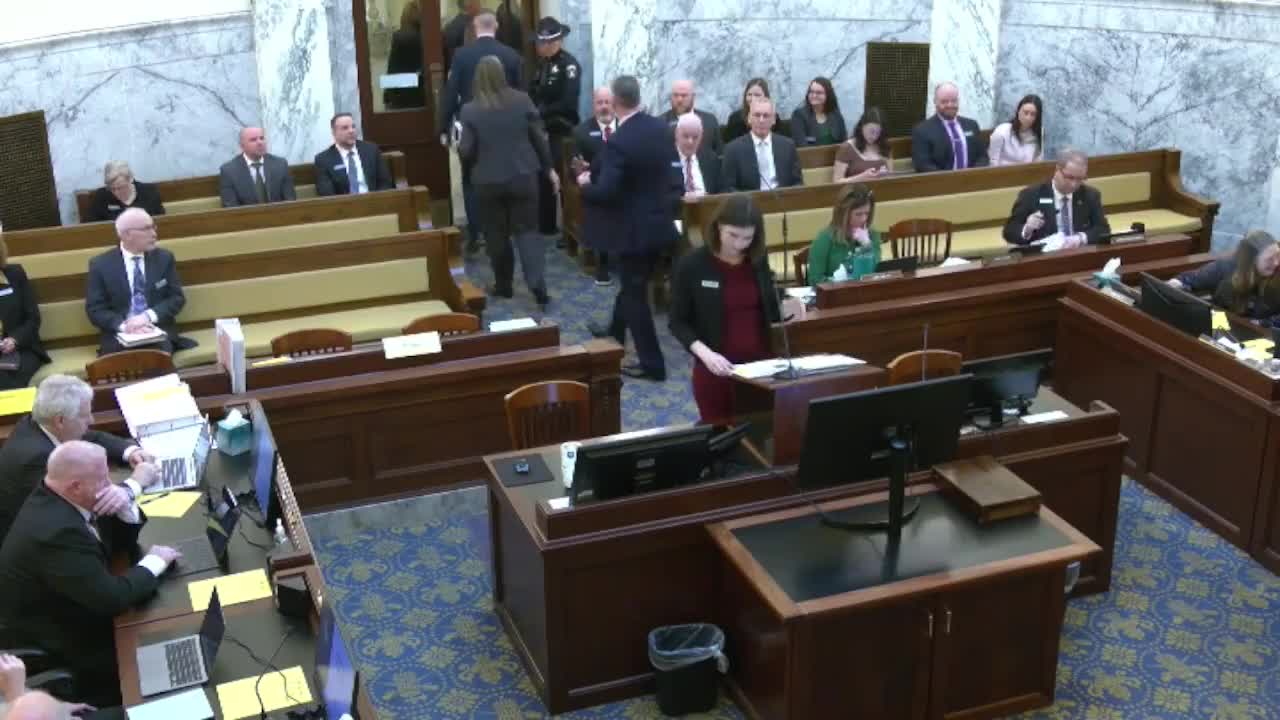
Controller asks legislature to bring LUMA on‑budget; committee hears about audit delays and staffing needs
Summary
State Controller Brandon Wolf and staff described the plan to transition LUMA sustainment from the Business Information Infrastructure Fund to regular appropriations, requested staffing and operating appropriation to maintain the enterprise system, and answered questions about implementation problems and audit timing.
Frances Lippitt, the analyst for the State Controller’s Office, told the committee the office requested $15.2 million for FY2026 to bring LUMA sustainment on budget. She said the request would require approximately $9,856,000 in general‑fund appropriation to fund 20 positions (including 13 positions previously funded through the business information infrastructure fund) and $5.5 million in dedicated‑fund appropriation for the computer service center to cover LUMA infrastructure and overhead.
Lippitt said the Business Information Infrastructure Fund (BIF) — which has funded LUMA sustainment to date through transfers of statewide cost allocation funds — expires at the end of the current fiscal year. The office requested seven additional full‑time positions and other enhancements to shift costs from the expiring continuous appropriation into the regular budget.
State Controller Brandon Wolf emphasized personnel and continuity risks if the funding transition is not approved. “If you think about that, 20 of the positions, if we did not have the funding, then we would almost cut the LUMA team in half,” Wolf told the committee, noting the office currently has 47 employees working on LUMA.
Wolf acknowledged operational problems during the transition and said financial reporting and audits have been delayed but defended progress. “I believe we're 8 weeks late on the closing and getting our portion to the ACFR to them,” he said, referring to the annual comprehensive financial reporting timeline. He told members several peer states that started similar ERP implementations experienced longer or still‑ongoing problems; Idaho’s system is functioning, Wolf said, and the office is asking for funding to preserve staff and continue improvements.
Representative Bitzke and other members asked what would happen if the legislature did not approve the requested funding; Wolf said the office would risk losing significant portions of the LUMA team and that would jeopardize timely payroll, vendor payments and the fiscal reporting schedule the state must meet.
Members also pressed for lessons learned from the rollout. Wolf said change management, training and documentation are priorities and offered to share a list of implementation lessons learned with the committee. He and his staff described plans for additional staff to provide shared‑service financial processing for agencies with smaller fiscal staffs and a communications manager to support transparency products such as Transparent Idaho and Town Hall Idaho.
The committee did not take formal action during the hearing; legislators indicated they would consider the request as part of the FY2026 budget process.