Get Full Government Meeting Transcripts, Videos, & Alerts Forever!
Get email alerts on the Unemployment Insurance topic
No spam. Unsubscribe anytime.
Idaho Department of Labor seeks $7.33 million in dedicated spending authority for unemployment operations; lawmakers press for staffing and fund details
Summary
The Idaho Department of Labor told the Joint Finance-Appropriations Committee it needs additional dedicated-fund spending authority to maintain unemployment insurance operations as federal relief grants decline; legislators asked for staffing figures, program mechanics and fund-balance implications.
The Idaho Department of Labor asked the Joint Finance-Appropriations Committee for additional spending authority in its dedicated funds to sustain unemployment insurance (UI) operations as federal pandemic-era grants decline.
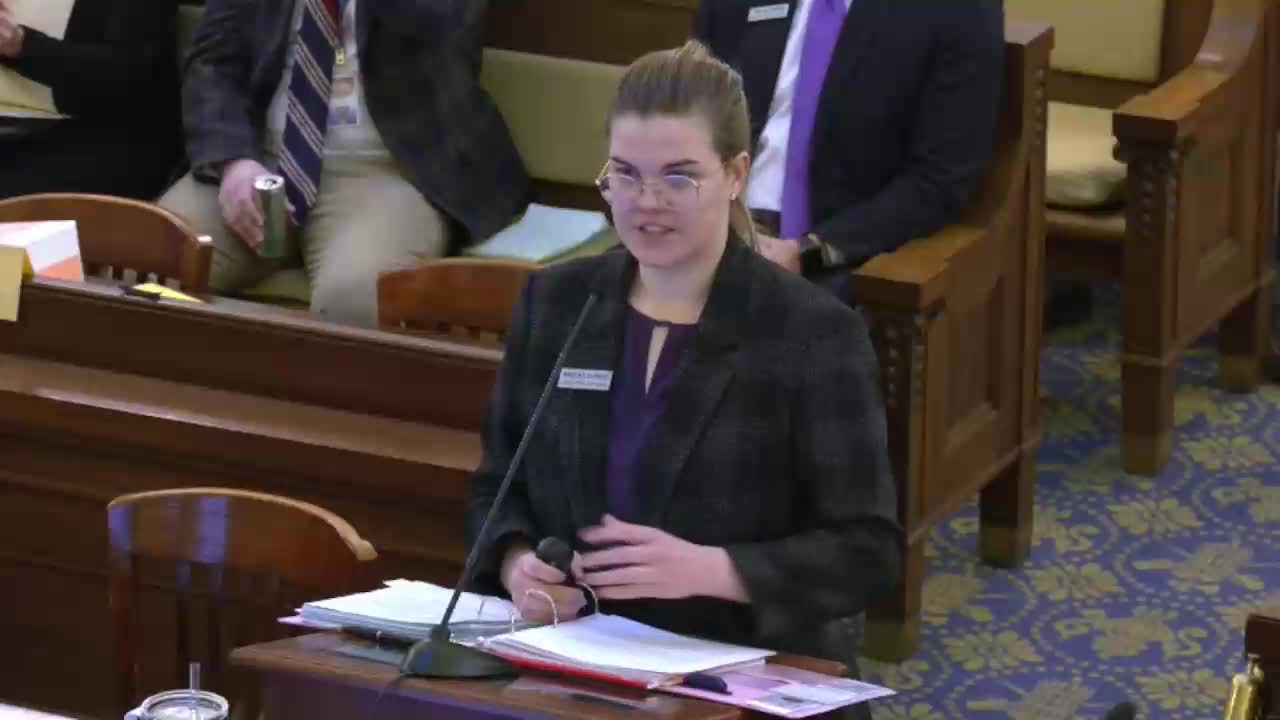
Director Janie Rivera told the committee the department is requesting $7,330,000 in dedicated-fund spending authority for unemployment insurance operations to offset a reduction in federal grants as unemployment remains low. "As these federal dollars are declining, we need to keep all of those operations going," Rivera said, explaining the request covers base operations in the UI determinations program (claims adjudication, appeals and compliance).
Analysts also outlined a requested cash transfer. Brooke Dupree said the department seeks a $4,868,600 transfer from the Unemployment Penalty and Interest Fund to the Employment Security Fund to correct earlier accounting transfers and to restore the intended fund balance. Dupree said that transfer would reduce the department's projected ending free fund balance by roughly $4 million.
Why it matters: legislators probed how the department will use the additional spending authority and whether the money would be used for salaries, benefits or held as reserve. Director Rivera and agency fiscal staff said the request is intended to substitute dedicated funds for operations that had been covered by federal grants, avoiding reliance on the general fund and maintaining readiness for a potential economic downturn.
Rivera described the state's UI trust fund and options if the fund were exhausted: borrow federal funds or issue bonds if necessary. "We have about a billion dollar trust fund," she said, adding that statute and recent changes to the tax formula have improved solvency and that current projections show the trust fund can withstand a major recession-type drawdown without a general-fund request.
Committee members requested more precise staffing and cost data. Several senators asked how many positions the department maintains as baseline versus recession-response hires (Rivera said she would provide more detailed numbers). The department said its filled-FTE percentage historically runs lower than authorized to allow rapid hiring in the event of an economic downturn.
What was not decided: no appropriation vote occurred at the hearing. The department committed to provide follow-up information: (1) a breakdown of salary-savings usage and how much of dedicated funds are apportioned to personnel vs. other categories, and (2) a staffing count showing baseline vs. pandemic-peak hires and how staffing would scale under different scenarios.
Ending: The committee accepted the department's presentation and asked for supplemental fiscal detail before making a funding decision. Rivera emphasized the department does not intend to seek general-fund support for UI operations and prefers to rely on dedicated funds and the statutory tax mechanism.