Get Full Government Meeting Transcripts, Videos, & Alerts Forever!
Get email alerts on the Child Welfare Budget And Programs topic
No spam. Unsubscribe anytime.
State budget hearing spotlights child welfare push for prevention specialists and foster-family recruitment amid rising congregate care costs
Summary
At a Feb. 20 Joint Finance and Appropriations Committee hearing, Department of Health and Welfare officials outlined budget requests to expand prevention teams, hire foster-care clinicians and licensing staff, and cover a $14.1 million supplemental driven by congregate care costs and a shortage of foster parents.
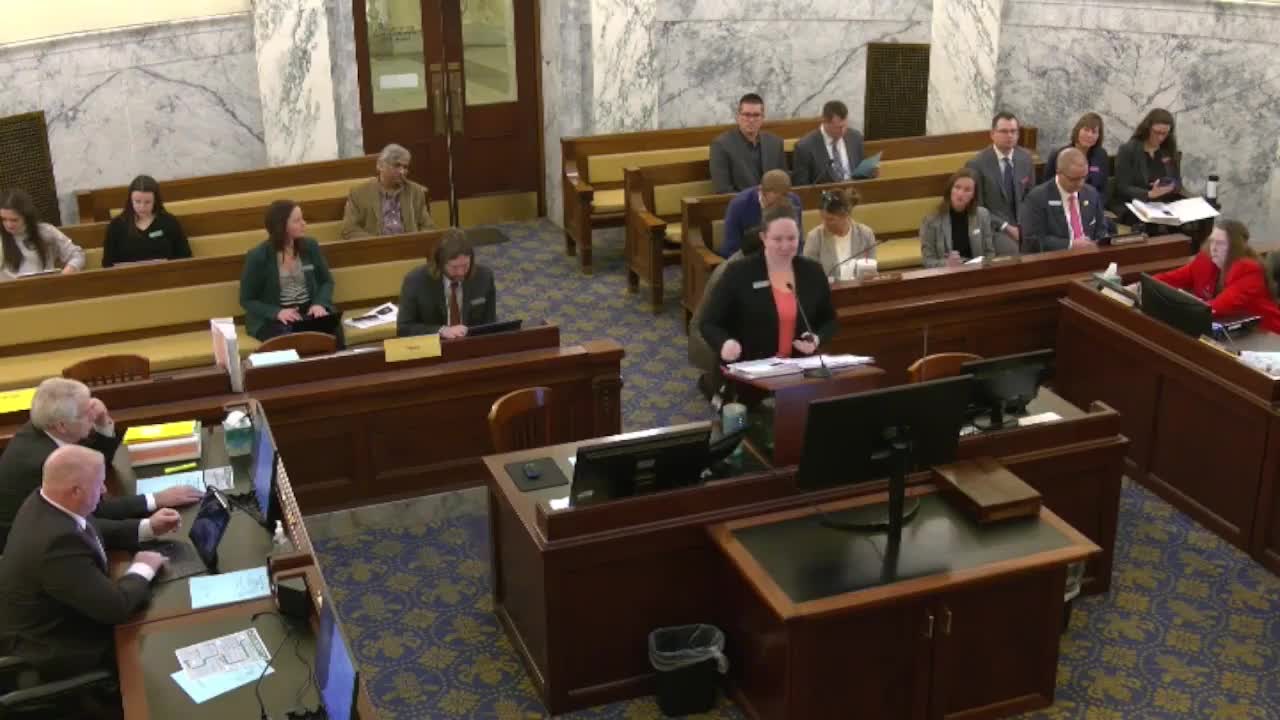
BOISE, Idaho — The Joint Finance and Approiations Committee on Feb. 20 heard the Department of Health and Welfare's request for new staff and funding aimed at reducing costly congregate care placements and increasing in-home prevention and foster-family capacity.
Analyst Alex Williamson told the committee the division formerly called child welfare, now retitled Youth Safety and Permanency, is authorized for 434.8 full-time positions and had 45.8 vacancies as of Feb. 10, with roughly 25 vacancies in active interview processes and nine posted. The department is requesting multiple position increases, including 36 prevention-specialist family service workers and a supplemental request of $14.1 million for foster-care population forecast adjustments for fiscal 2026.
The prevention specialists would expand a team that Williamson said now includes 14 staff statewide; adding 36 would bring the number to 50 and aim to increase the share of children who can safely remain at home. Williamson said the combined ongoing and one-time cost for the prevention specialist request is approximately $3,048,200, of which a portion would be ongoing.
Director Alex Adams told committee members the requests are part of a strategy he called “right kid, right place, right time.” Adams noted that prevention cases are the least expensive placements, foster care is more costly, and congregate care is the most expensive option. “If I keep a kid in their home, in a prevention case, it's $1.80 a day. If a child is removed from their home and placed in foster care, it's $16 a day. If I don't have a foster bed available to them, congregate care is $380 a day,” Adams said. He added that the department's foster-bed ratio has improved since he took over: “When I started, we had 74 foster beds for every 100 kids coming into the system. Today, we're at 94.”
Committee members pressed Adams and Deputy Director Monty Pro on how prevention staff operate in practice. Pro described weekly home visits by prevention workers, use of a judicially reviewed treatment plan and brokerage of services such as counseling or substance-use treatment. Program staff told the committee brokered or direct services would be free or largely covered by federal funds in most cases.
The department's requests include clinicians and placement staff to support children entering or projected to enter high levels of care, family-find tools budgeted at about $120,000 to locate kinship placements, and requests for foster program clinical and licensing staff to shorten the average 80-day licensing timeline. Williamson said the agency hoped to reduce average caseloads for case management workers from about 32 youth per worker to 26.
On the Payette Assessment and Care Center, Adams said the agency and the governor's office agreed to pause an outright purchase and instead operate the facility under a lease while testing whether the site is an appropriate long-term location. Williamson said the governor did not recommend the purchase; the updated request includes $2.7 million ongoing to operate the leased facility. Adams said state funds were used for safety and facility improvements but that local nonprofit partners also contributed equipment.
Adams and committee members discussed the recurring nature of supplementals tied to child welfare's status as an entitlement program. Adams said the department's budget is a forecast and that if costs rise — for example, due to higher congregate care demand — the department returns with a supplemental request. He argued the requested investments would reduce long-term reliance on high-cost congregate care and cited projected savings tied to moving children to prevention or foster placements.
Committee members from both parties praised the department's prevention focus and asked for continued updates on hiring, program outcomes and long-term plans for purchased or leased facilities. Several legislators urged faith-based outreach and other recruitment efforts to increase the pool of foster families.
The department asked that child welfare be exempted from maintenance-bill restrictions limiting transfers of personnel dollars and trustee and benefit payments, to allow transfers in accordance with Idaho Code § 67-35-11. Williamson said the governor's recommendation included an exemption to those transfer limits.