Get Full Government Meeting Transcripts, Videos, & Alerts Forever!
Get email alerts on the Higher Education North Idaho College topic
No spam. Unsubscribe anytime.
North Idaho College reports 15% growth, requests faculty and cyber funding and notes end of show‑cause status
Summary
North Idaho College told JFAC enrollment rose more than 15% and the college seeks faculty funding to expand nursing and welding capacity, support cybersecurity needs and mitigate an FY2026 EWA reduction; NIC also said it moved from show‑cause to probation with accreditor.
North Idaho College leaders told the Joint Finance‑Appropriations Committee that enrollment has reversed years of decline, growing about 15% in fall 2024 and driving immediate needs for additional faculty in nursing and welding, cybersecurity funding, and relief from an enrollment workload adjustment reduction for FY 2026.
Kevin Campbell, budget and policy analyst with the Legislative Services Office, presented NIC’s budget overview and noted that NIC’s FY 2024 appropriation was listed as $215,100,000 in the committee materials and that the college’s five-year average base‑budget growth was about 4.2%. Campbell also said the EWA formula produced an ongoing reduction of $446,800 for NIC in FY 2026 based on the trailing three‑year weighted credit‑hour average.
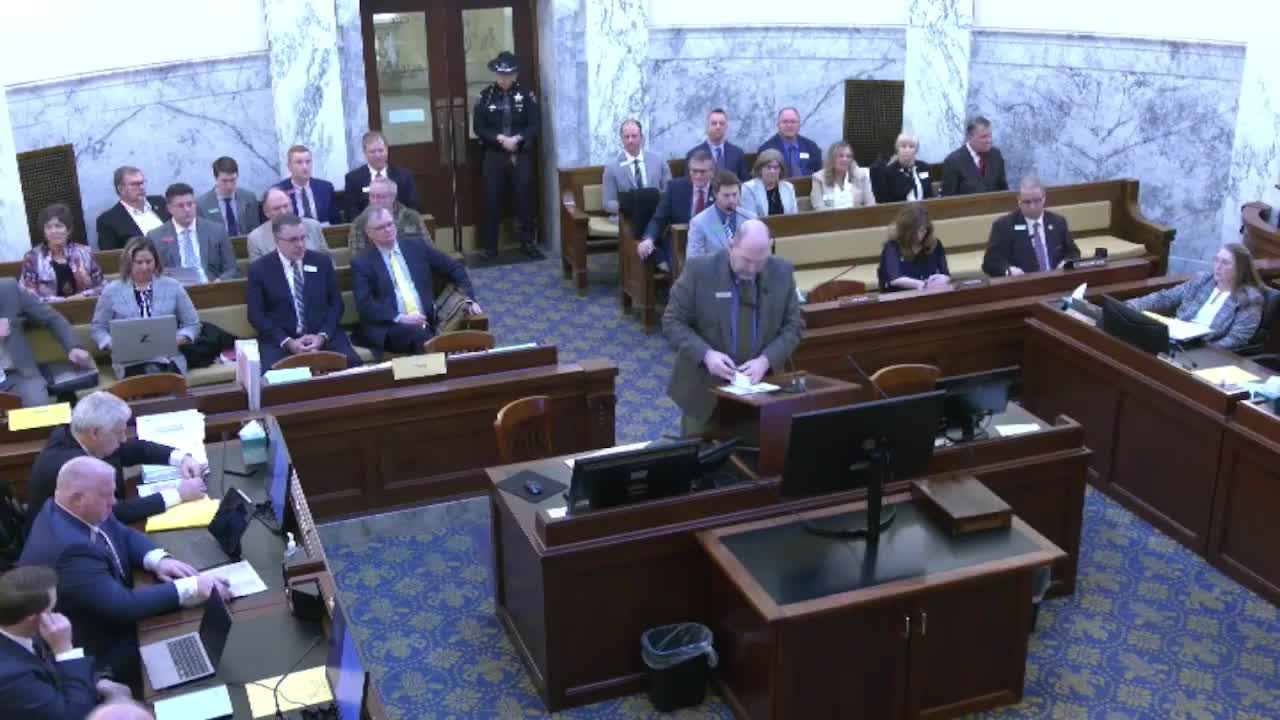
Dr. Nick Swayne, president of North Idaho College, told the committee the college’s enrollment trend is a recovery after a long decline that began around 2009. “In the fall, we were up 15 and a half percent,” Swayne said, and the college reported about 571 new students on campus this spring alone. He said the trailing nature of the EWA formula means NIC was hit by cuts even as enrollment turned up.
Capacity requests and workforce programs: Swayne said NIC is seeking five faculty positions to allow the nursing program to grow from admitting 40 students each semester to 60 (a 50% increase) and that each additional nursing faculty position is tied to external accreditation and clinical‑supervision ratios. He said similar capacity additions are needed for welding (to expand first‑year cohorts and address students who are hired after year one) and other health‑care programs.
Cybersecurity needs: Swayne said NIC’s cybersecurity budget has grown substantially — from roughly $250,000 a year to over $500,000 — because the college must protect student and employee data after recent cyberattacks in the region. He described the cost pressure and said the college is seeking support to sustain cybersecurity defenses.
Accreditation status: Swayne told the committee NIC was placed on show‑cause by its accreditor in February 2023 and as of the night before the hearing the college had been moved off show‑cause to probation. He said staffing turnover in 2022–23 contributed to the prior accreditation concern and warned that accreditation uncertainty reduces the college’s ability to recruit and retain applicants.
Use of governor’s CTE funds and waiting lists: Committee members asked how NIC would use funds from the governor’s proposed CTE capacity initiative. Swayne said the college would use such funding to hire instructors for welding and nursing programs; for example, five nursing faculty at roughly $100,000 in salary and benefits each would cost about $500,000 and allow the program to take more students and free clinical slots for employers.
What was not decided: No formal votes were held. The presentation was informational and NIC requested committee support for funding to address immediate capacity and cybersecurity needs and for consideration of EWA impacts as enrollment grows.
Ending: Swayne closed by urging the committee to consider holding NIC harmless for the current-year EWA reduction while the college meets rising demand and completes recovery efforts following the accreditation review.