Get Full Government Meeting Transcripts, Videos, & Alerts Forever!
Get email alerts on the Energy Programs topic
No spam. Unsubscribe anytime.
JFAC advances Office of Energy and Mineral Resources budget; proposed transfer-study language debated but not adopted
Summary
The committee approved a requested fund-shift motion and federal funding authorization for the Office of Energy and Mineral Resources (OEMR). Members debated but did not adopt language directing OEMR and the Department of Health and Welfare to study transferring home energy assistance and weatherization grants.
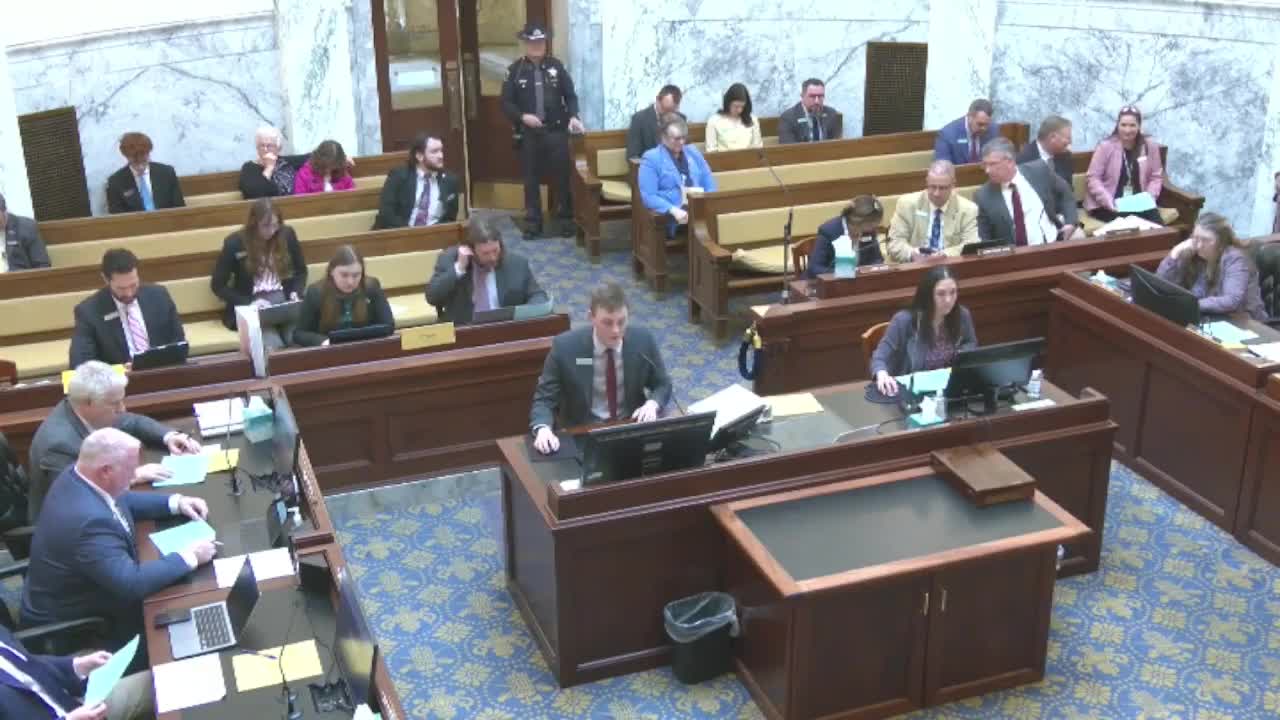
BOISE, Idaho — The Joint Finance-Appropriations Committee on Tuesday approved budget adjustments for the Office of Energy and Mineral Resources but did not adopt proposed language that would have required a study of transferring certain federal energy-assistance grants from the Department of Health and Welfare to the Office of Energy and Mineral Resources.
The committee voted to approve an FY2026, agency-requested, net-zero shift of $48,000 between the office’s existing dedicated funds to align personnel costs and to authorize the administration of a federally funded Home Energy Rebates Program if federal funds are available. Kellen McGurkin, budget and policy analyst with the Legislative Services Office, summarized the agency’s requests and the governor’s recommendation for an additional FTE and $481,100 from the general fund for a "speed council," a proposal the committee said it had declined earlier in the day.
Why it matters: the OEMR actions affect where federal energy-rebate funding and administrative authority would be managed within state government and could shape who administers low-income energy assistance programs, weatherization grants and rebate programs going forward.
What the committee approved: the committee approved the shift of internal allocations among the agency’s dedicated funds (net zero dedicated-fund impact). Recording staff announced the motion carried in both chambers (final reported total: 19 ayes, 0 nays, 1 absent/excused).
Proposed report language debated but not adopted: after the budget motion, staff presented language that would have instructed OEMR to work with the Department of Health and Welfare to produce a report to JFAC outlining steps necessary to transfer the Low Income Home Energy Assistance Program (LIHEAP) and the Weatherization Assistance Program, and their administration, from Health and Welfare to OEMR. Committee members asked whether the language had been seen previously by the relevant work group; several members, including Senator Wintrow and Senator Ward Engelking, said they had not seen it. Representative Tanner — who introduced the language into the packet — described it as a non-economic request intended to have agencies "look at it" and report back whether administration might fit better in OEMR or remain in Health and Welfare. He said the language did not move money and was limited to a study and recommendation.
Several committee members objected to adding new, unanalyzed language late in the process. Senator Cook suggested withholding the page of proposed language and proceeding with the budget vote; Representative Tanner agreed. Committee staff indicated the conditions, limitations and restrictions language would not be necessary because no additional dollars were being added.
Outcome: the budget motion for realigning dedicated-fund allocations and the authorization to administer federal rebates if funds become available passed with committee majorities and will be forwarded with a "do pass" recommendation. The proposed study/report language was discussed but not brought to a vote and therefore was not adopted.
Members' remarks: Representative Petzke said he would support the budget motion but lamented that "we're basically giving up tens of millions of dollars that could have gone into Idaho's economy" because the home rebates are federal funds and may flow to other states; his remarks reflected concern about federal programs administered outside Idaho. Representative Tanner said the language was intended only to prompt interagency discussion, not to effect an immediate transfer.
Next steps: the approved budget adjustments and any authorized federal administration would appear in committee reports and be transmitted to the House and Senate floors for consideration; any later proposal to transfer grant administration would require explicit legislative action after the committee had received any interagency report and recommendations.