Get Full Government Meeting Transcripts, Videos, & Alerts Forever!
Presenter links reading struggles to vision-tracking issues and proposes simple classroom screening and exercises
Summary
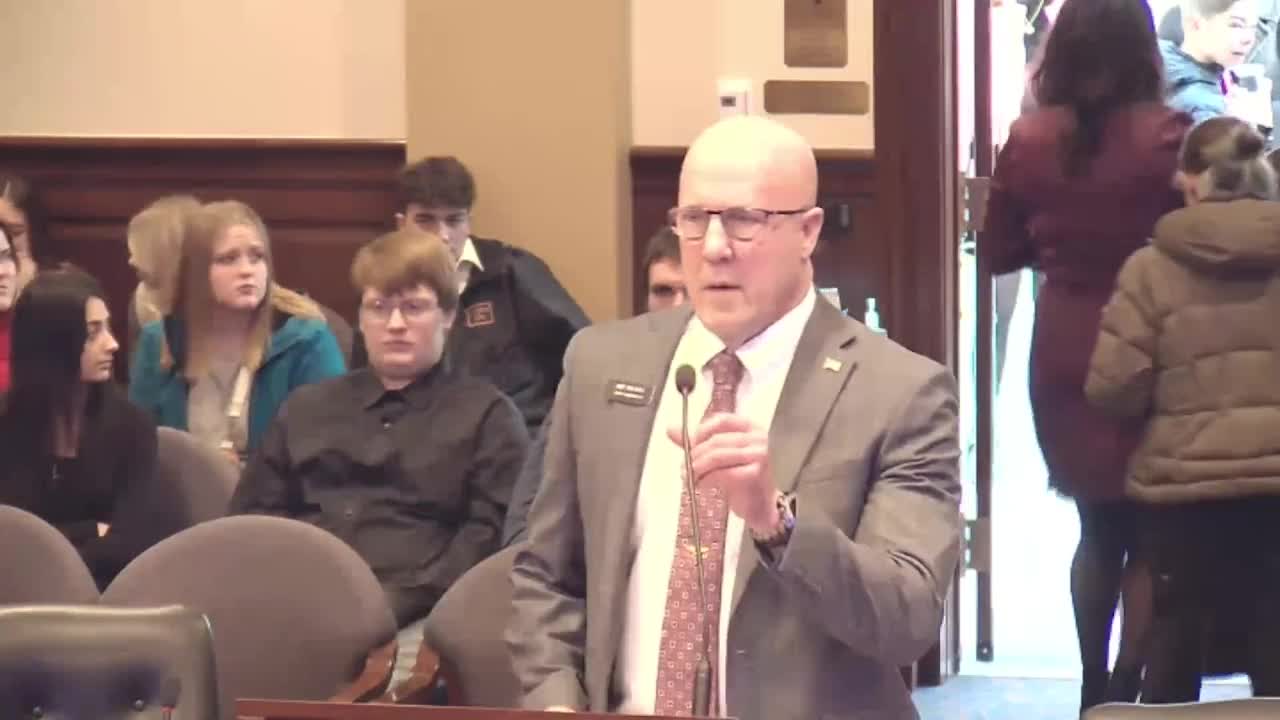
Mary Mahalka told the House Education Committee that vision-tracking problems can cause reading and attention difficulties. She demonstrated low-cost screening exercises she says can be taught to parents and volunteers; legislators asked technical and implementation questions and expressed interest in exploring classroom or volunteer-based pilot
Mary Mahalka told the House Committee on Education that basic vision-tracking deficits — how the eyes work together and follow text — are an under-recognized cause of reading and attention problems in students and presented a low-cost screening-and-exercise approach she said can be used with children and adults.
Mahalka, a former teacher who said she lives in Star, told the committee that a recent U.S. education report showed declining fourth-grade reading proficiency and that “only 31 percent of fourth grade students performed at or above the proficiency level,” citing a National Center for Education report. She said that in her experience administering quick vision-tracking checks and short, daily exercises, many students labeled with dyslexia, ADD or ADHD show remediable oculomotor or binocular-vision problems.
“I have worked with individuals from age 4 to 94,” Mahalka said. “There is hope. With simple testing and daily practice, you can raise the level of classroom…
Already have an account? Log in
Subscribe to keep reading
Unlock the rest of this article — and every article on Citizen Portal.
- Unlimited articles
- AI-powered breakdowns of topics, speakers, decisions, and budgets
- Instant alerts when your location has a new meeting
- Follow topics and more locations
- 1,000 AI Insights / month, plus AI Chat