Get Full Government Meeting Transcripts, Videos, & Alerts Forever!
Get email alerts on the Licensing Audits Dopl topic
No spam. Unsubscribe anytime.
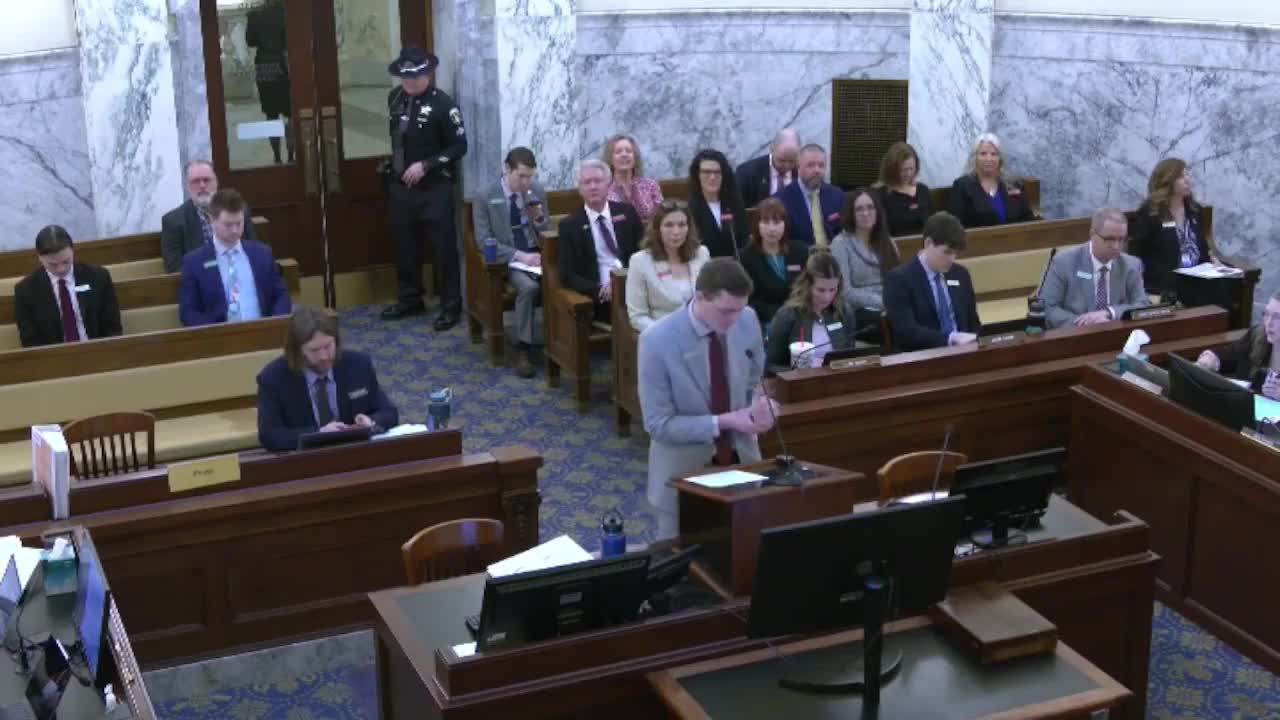
DOPL tells JFAC it needs pay and hiring fixes after high inspector turnover; auditors flag excess cash balances
Summary
The Division of Occupational and Professional Licenses told the Joint Finance-Appropriations Committee that persistent high turnover among inspectors and uneven board cash balances require pay adjustments and management changes; Legislative Audit reported an open finding on excessive board cash balances and a plan to address them.
The Division of Occupational and Professional Licenses (DOPL) told JFAC on Feb. 6 that it is seeking additional pay and structural changes after several years of turnover and operational challenges. Legislative auditors reported an open finding on excessive cash balances across DOPL-managed boards and commissions and said the division has submitted multi-year plans to reduce those balances.
Kellen McGurkin, budget and policy analyst with Legislative Services, reviewed agency structure and finances. He told the committee that DOPL was created by House Bill 318 (2020) to consolidate previously separate licensing entities and that the division now supports about 45 boards and commissions and roughly 200,000–300,000 licensees. McGurkin said the agency is funded entirely by dedicated and federal funds and is working to rebalance board cash accounts by reducing fees and introducing fee holidays.
Audit findings and response April Renfro of the Legislative Audit Office summarized the audit history: auditors previously identified multiple findings and now report one open finding primarily focused on cash balances maintained by individual boards. She said DOPL has provided reports describing plans to reduce excessive cash balances — which auditors will continue to follow up on — and noted the division’s December report on corrective plans is in SharePoint for committee review. "If they have cash balances 125% in excess of what they need for their annual expenditures that's probably too much cash," Renfro said, describing the reasonableness band used by auditors.
Inspector turnover and staffing requests Russ Baron, DOPL administrator, told JFAC that some inspection programs have had turnover between 12% and 67% in recent years and that vacancies can remain open as long as eight months. He said the division is requesting pay adjustments for trade inspectors (plumbing, HVAC, electrical, elevator, logging and related inspectors) and other targeted funding to reduce vacancies and overtime burdens on remaining staff. Baron said the division previously increased starting pay and used appropriations to address compression; DOPL now requests an additional pay bump (an implementation request above the recently approved CEC), noting private-sector competitors and local governments sometimes pay far more. Baron described a planned starting wage increase for inspectors from $27.50 to $28.60 and a 2.5% compression adjustment in one proposal the division has discussed with the committee.
Enhancements and budget items McGurkin reviewed DOPL’s enhancement requests for FY2026: an ongoing request of $222,000 in dedicated funds to increase inspector pay (average 95¢ per hour across 92 FTP), $900,500 in one-time dedicated funds for vehicle replacements (detailed breakdown included 16 Ford F-150s and other vehicles), and $146,401 in one-time dedicated funds for hardware recommended by the Office of Information and Technology Services. He said the agency has already requested and received a transfer exemption from the committee to allow one-time transfers between bureaus to align funding.
Director Baron said DOPL implemented a new licensing information system in phases in 2024 and that the system has improved customer service and made some same-day determinations possible. He also said boards have been cooperating on plans to reduce excessive cash balances, but the process will take time because fee changes and rulemaking are not immediate.
Auditors, DOPL and committee staff agreed to continue follow-up on the cash-balance plans and to watch the effects of fee adjustments and fee holidays. Committee members requested the division provide detailed cash-balance breakdowns for each board and additional analysis showing where balances are growing and why.
"We're working to ensure the accuracy and formal review process of the financial reports it provides to boards and commissions," the audit office said as it described DOPL's corrective actions. Director Baron told the panel he will provide the requested board-level plans and data and continue working with auditors and committee staff to implement the corrective steps.
No committee vote was required on the FY2026 DOPL briefing during the meeting; staff were asked to deliver follow-up analyses to JFAC members.