Get Full Government Meeting Transcripts, Videos, & Alerts Forever!
Get email alerts on the Health Workforce Dental Education topic
No spam. Unsubscribe anytime.
Idaho Dental Education Program asks for one additional seat to keep graduates practicing in state
Summary
Idaho’s dental education program requested one more subsidized seat and described a high return rate of graduates to in-state practice; program leaders said adding seats reduces graduate debt and increases likelihood dentists will remain in Idaho.
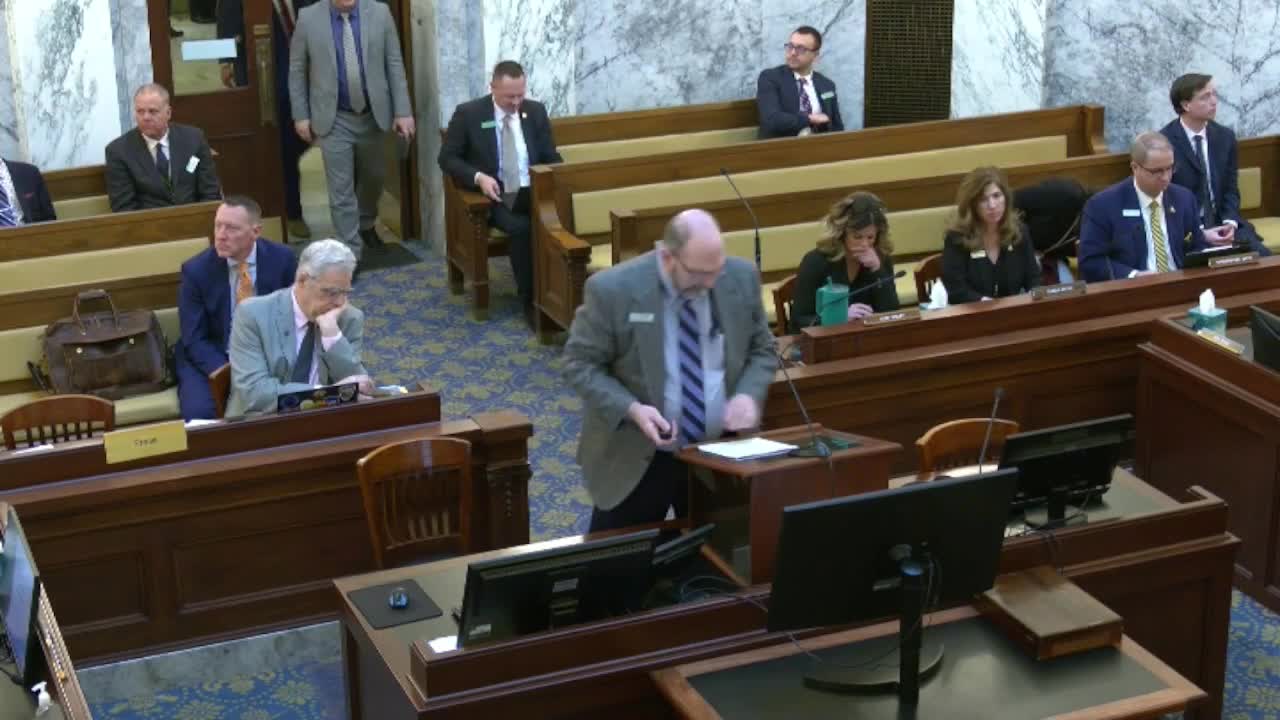
The Idaho Dental Education Program (IDEP) told the Joint Finance-Appropriations Committee on Oct. 24 that it seeks one additional state-funded dental school seat for FY2026 to expand the pipeline of dentists who return to Idaho to practice.
Kevin Campbell, budget and policy analyst, reviewed IDEP’s budget and said the program contracts with Creighton University School of Dentistry so Idaho students complete a first year at Idaho State University and finish clinical training at Creighton in Omaha. Seats are reserved for Idaho residents and include a tuition discount under the contract.
Director Jeff Weibargin, an IDEP alumnus who now directs the program, told the committee the program has three full-time equivalent positions and has stable enrollment. IDEP requested $54,000 ongoing from the general fund to add one seat as part of a multiyear plan to reach 36 seats. IDEP is oversubscribed, Campbell said, receiving between 30 and 50 applications in recent years and as many as 120 before the COVID-19 pandemic.
Weibargin described IDEP’s workforce impact. He told the committee that historically “since about 1982 somewhere between 65 and 70 percent of our graduates have returned to Idaho to practice.” He later said that if the review period is broadened to include later returns, the return rate is closer to 70–80 percent. He and analysts said many highly qualified applicants are turned away for lack of space and that students who train elsewhere often incur much higher debt levels, reducing the likelihood they will come back to Idaho.
Campbell said the program’s graduates have high academic qualifications and that personnel costs are a minority of the program’s budget. IDEP asked for one seat as the next step toward its 36-seat goal; program leaders said the additional seat would likely be filled by a qualified Idaho applicant.
Committee members asked about the need for dentists and return rates. Weibargin said Idaho is “behind” in dentist availability in rural areas and described a range of public-health links between dental disease and medical outcomes.
No formal appropriation decisions were made during the hearing. Committee members requested additional context where helpful and asked staff to return supporting data as the budget process continues.