Get Full Government Meeting Transcripts, Videos, & Alerts Forever!
Get email alerts on the Department Of Labor Overview topic
No spam. Unsubscribe anytime.
Idaho Department of Labor presents program overview and state labor conditions to Senate Commerce Committee
Summary
Department of Labor Director Janie Revere briefed the Senate Commerce Committee on the department's structure, unemployment insurance rules and benefits, fraud and recovery work, disability determination performance, and statewide labor-market trends.
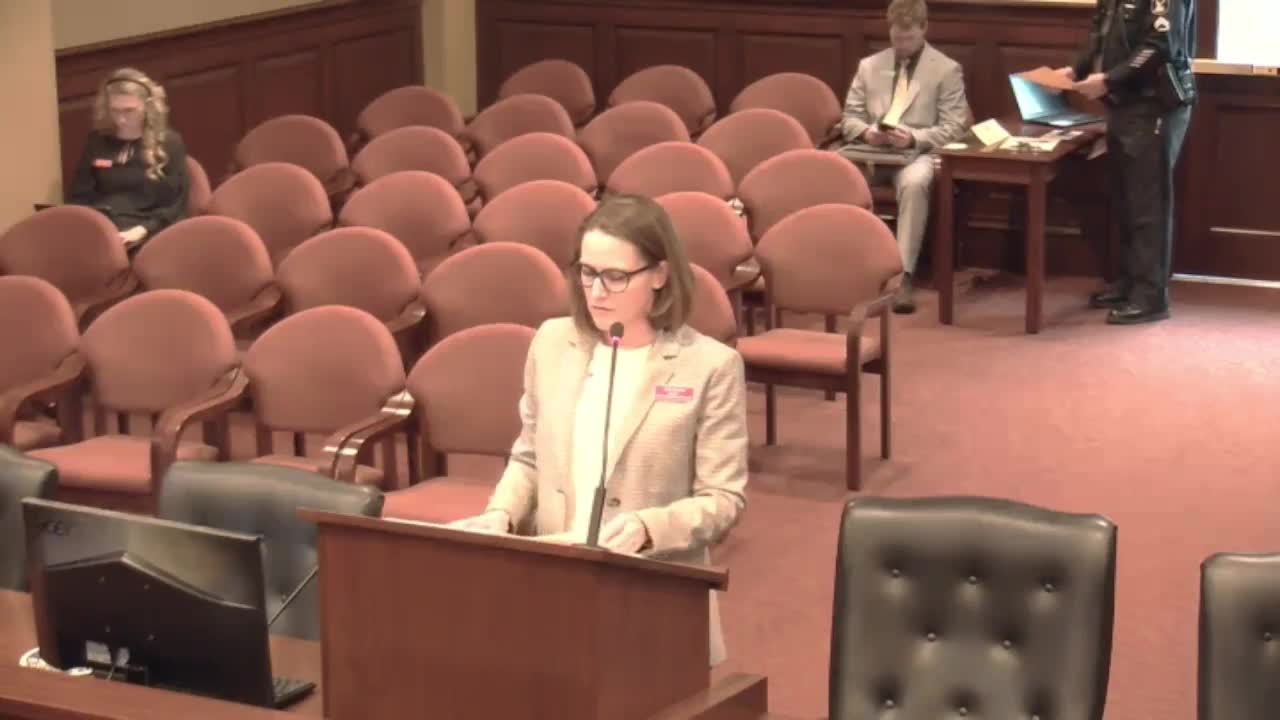
For the record, Janie Revere, director of the Idaho Department of Labor, told the Senate Commerce Committee that the department is organized into three divisions that administer unemployment insurance, disability determinations, wage and hour enforcement and related workforce services.
The overview described how the unemployment insurance (UI) program is funded and administered. "Unemployment insurance is assistance to individuals who have lost their jobs or had their hours reduced. It is not wage replacement or an entitlement. It is insurance," Revere said, outlining monetary and personal eligibility rules and weekly certification requirements. She said Idaho claimants may receive between $72 and $590 per week and that eligibility durations vary with the state unemployment rate; statutory maximum weeks can reach 26 when the unemployment rate rises.
Revere described program operations: claimants typically file online, weekly certifications determine ongoing eligibility, and disputes proceed through administrative hearings, the Industrial Commission and, if necessary, the state Supreme Court. The department's compliance bureau investigates potential fraud and pursues overpayment recovery through repayment plans, liens, offsets and garnishments. Revere said the department can investigate suspected fraud for up to five years and pursue collections for up to 10 years.
Revere also summarized the department's Disability Determination Services (DDS), noting Idaho's average decision times are shorter than national averages: 102 days overall with DDS processing averaging 61 days, compared with substantially longer waits elsewhere.
On workforce services, Revere said the department operates eight offices across the state, mobile office hours in 26 communities and partnerships with local libraries and community centers. Services cited include resume and interview help, job listings and assistance with registered apprenticeship programs. She noted programs targeted to veterans and youth and the role of commissions housed at Labor, including the Idaho Human Rights Commission and Serve Idaho, the governor's commission on service and volunteerism.
Revere gave an economic snapshot: Idaho has added jobs since the pre-pandemic peak (14.6% growth cited) and crossed 2,000,000 residents and 1,000,000 workers in 2024. She said roughly 38,000 Idahoans were unemployed while about 5,000 of those were receiving UI benefits; most claimants draw an average of nine weeks of benefits. Revere warned the labor market remains tight because of demographic shifts and higher retirement rates among baby boomers.
Committee members did not ask questions during the overview. Revere closed by pointing committee members to the department's labor-market information site, lmi.idaho.gov, and offering follow-up assistance from regional economists.