Get Full Government Meeting Transcripts, Videos, & Alerts Forever!
Get email alerts on the State Finance Endowment Investments topic
No spam. Unsubscribe anytime.
Endowment Fund board defends pay raises for two senior investment staff; governor declines full request
Summary
The Endowment Fund Investment Board told the Joint Finance-Appropriations Committee it seeks pay increases to retain two senior investment staff after years of pay lag; the governor recommended technical and inflation funding but did not include the board's requested compensation increases.
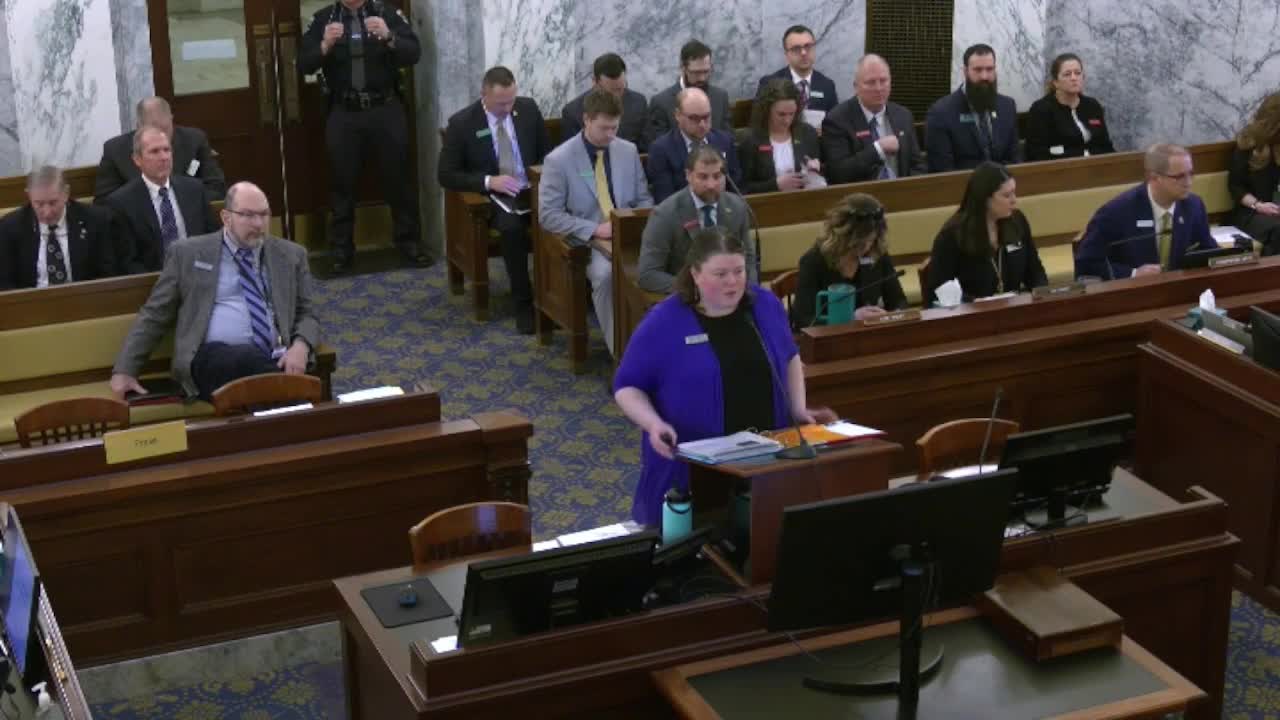
The Endowment Fund Investment Board told the Joint Finance-Appropriations Committee on Oct. 24 that it recommended substantial pay increases for two senior investment staff to keep those roles competitive and reduce turnover.
Janet Jessup, budget and policy analyst with Legislative Services, introduced the board's budget materials and noted the board manages state endowments and funds for the Department of Lands. Chris Anton, manager of investments for the Endowment Fund Investment Board, and Thomas Wilford, the board chair, answered members' questions about the board's request for roughly $100,000 in additional compensation targeted at two employees.
The board's request, Wilford said, stems from a long-running effort to correct pay that he described as below market when senior staff were originally hired. “If we had to replace him someday, we would have to pay more than we're paying him,” Wilford said, describing the board's rationale for the enhancement.
Anton told the committee the larger portion of the requested increase was intended for Deputy Chief Investment Officer Chris Halverson, who Anton said has been in the position roughly 16–17 years and is “way below market” compared with comparable nonprofit and governmental funds. Anton said the board now manages a far more complex portfolio than when Halverson was hired and that responsibilities have grown over time.
Representative Manwaring asked whether the board's recommended increases had board support and whether there had been follow-through with the governor's office. Anton said the compensation committee and board had approved the recommendations but that the board’s representatives and the governor's office had not reached a final agreement on implementation.
A representative of the governor’s office, identified in committee as Miss Wolfe, said the governor’s recommendation reflected statewide pay policy. She told the committee that Division of Human Resources analysis showed Mr. Halverson was “close to policy rate for his pay grade,” and that the governor’s recommended pay practices aim for comparability across state government rather than matching the private market.
Anton and Wilford asked the committee to consider the board’s view that one of the employees may be in an incorrect pay grade now that the fund has grown and the investment program is more complex. Anton noted the board manages investments for multiple state trusts and the state insurance fund and cited larger totals under management as context for the request.
No formal committee action was taken during the hearing. The governor’s recommendation included funding for inflation and technical hardware but did not include the requested compensation increases.
The discussion clarified that the board stands behind its compensation recommendations while the governor’s office views the increases as inconsistent with statewide pay policy and current pay-grade comparators.
The committee did not vote on the enhancement during the hearing; members asked for additional detail from the board and the governor’s staff about comparators and the justification for the requested increases.