Get Full Government Meeting Transcripts, Videos, & Alerts Forever!
Get email alerts on the Teacher Certification topic
No spam. Unsubscribe anytime.
House panel reviews rules to expand teacher apprenticeship, change alternative-certification requirements
Summary
The House Education Committee heard from State Board staff on proposed rule changes that add apprenticeship pathways, create multi-year interim certificates for some programs and remove a baccalaureate requirement from an alternative authorization pathway. Committee members pressed for data on program uptake and long-term teacher outcomes.
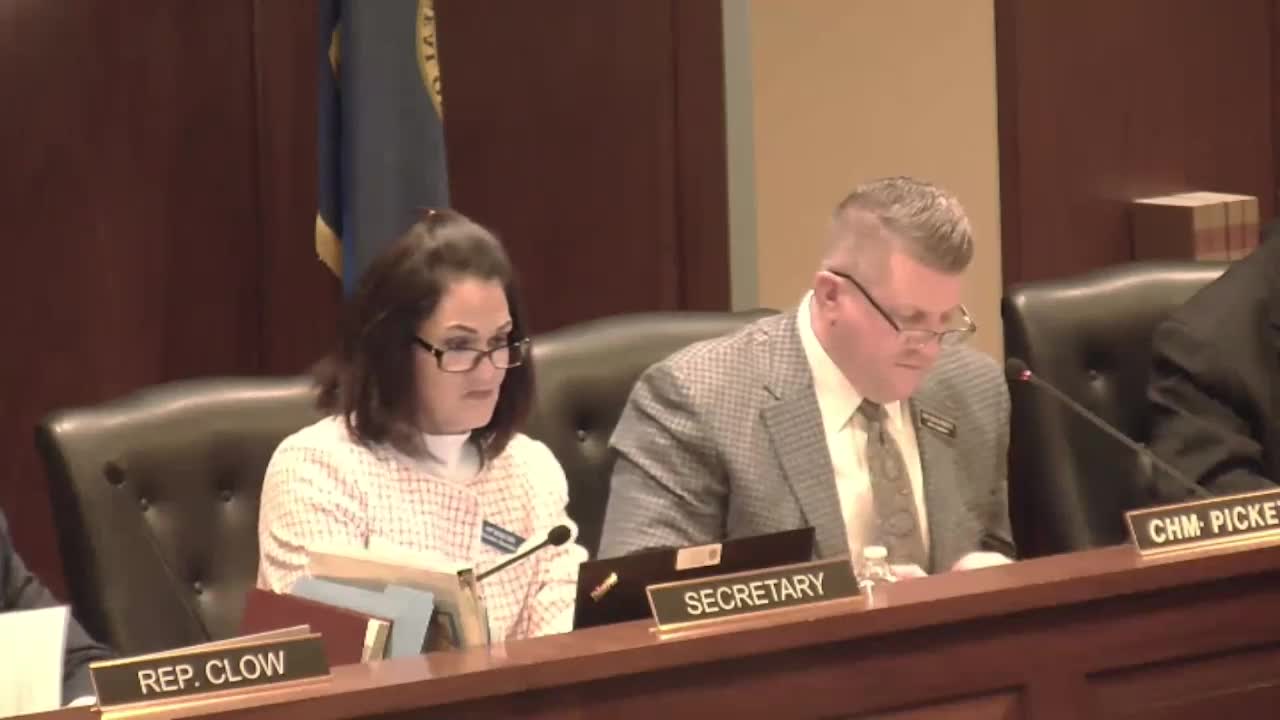
The House Education Committee on Wednesday heard presentations from State Board of Education staff on proposed rule changes that would recognize teacher apprenticeship programs, create multi-year interim certificates for some instructors and change requirements for alternative authorization.
The rule package presented by Matthew Scribe of the State Board of Education would add definitions and certification paths for board‑approved apprenticeship and nontraditional preparation programs and clarify issuance of interim certificates for programs such as JROTC. "This is talking about those teacher apprenticeship programs," Scribe said while outlining the changes. The draft also replaces a one‑year emergency certification process with a three‑year interim model for specified pathways and clarifies reinstatement procedures for expired certificates.
Committee members focused questions on program quality and where recruits are working. Representative Mathias asked how the board will ensure teachers from alternative authorization pathways perform comparably to graduates of regionally accredited educator‑preparation programs. In response, a State Board official said the apprenticeship model is new and that outcome data are not yet available. "We just don't know yet. This is a brand new program. Teachers haven't gone all the way through this program yet," the official said, adding the board intends to track outcomes and report back to the Legislature.
The proposed rules also change JROTC certification steps: an interim three‑year certificate for instructors working toward full credentialing replaces a longer or more fragmented approval timeline. Supporters said the change aligns Idaho practice with national JROTC standards and gives instructors time to complete credential requirements while teaching.
Another item moves the educator preparation program oversight from the State Department of Education to the State Board of Education; the rules clean up cross‑references to reflect that administrative change.
Committee members requested specific follow‑up data on program participation and geographic placement of new teachers. Representative Tanner asked about the magnitude of interest; State Board staff said they would provide enrollment numbers to the committee. Representative Mathias asked whether rural or low‑income districts would shoulder disproportionate placement of nontraditional candidates; board staff said they will monitor district uptake and teaching quality as apprentices complete programs.
No action was taken; the meeting was informational and the committee said it will continue review in subsequent sessions.