Get Full Government Meeting Transcripts, Videos, & Alerts Forever!
Get email alerts on the Fish And Game Budget topic
No spam. Unsubscribe anytime.
Fish and Game outlines one-time projects, license fund swings and Valley Fire rehabilitation plan
Summary
The Department of Fish and Game told the Joint Finance Committee it relies on dedicated license fees and federal grants, has requested predominantly one-time enhancements totaling $18.18 million for FY26, and is seeking funds to rehabilitate 9,900 acres damaged by the Valley Fire.
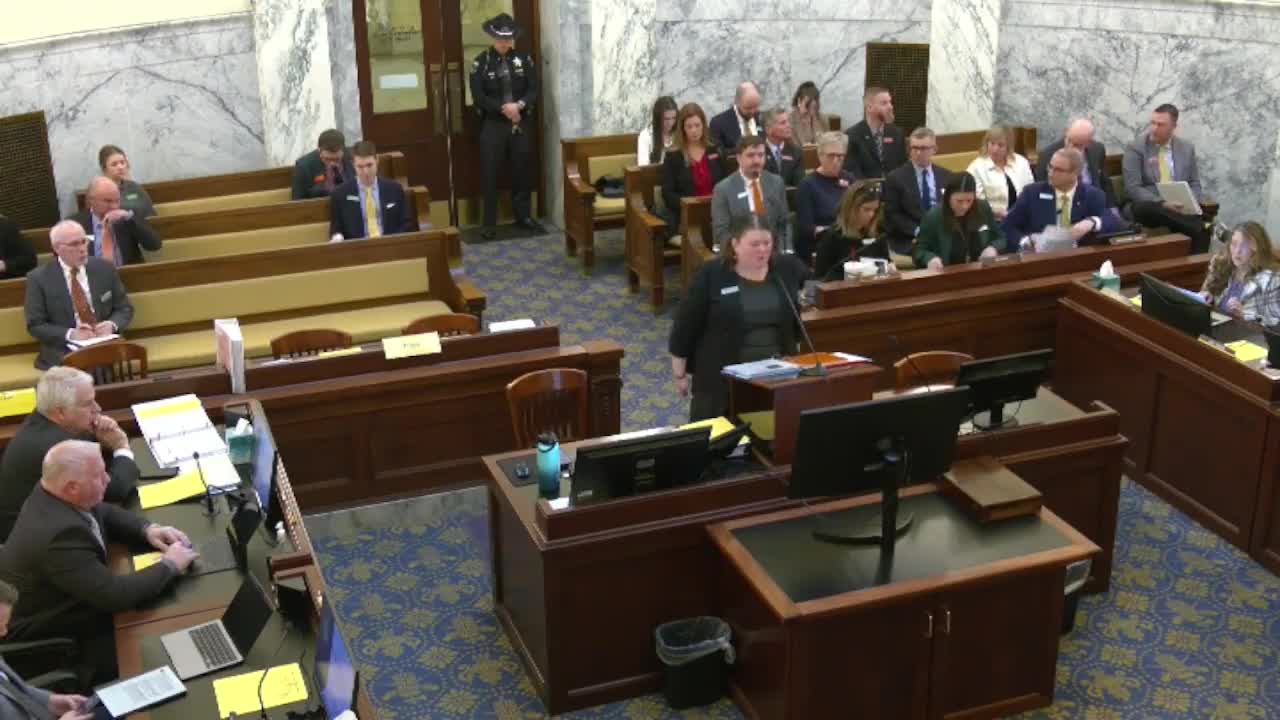
The Joint Finance Committee heard a presentation on the Idaho Department of Fish and Game's fiscal priorities, funding sources and several one-time project requests.
Janet Jessup of Legislative Services opened the Department of Fish and Game briefing by noting the agency receives no state general fund and is supported mainly by dedicated funds (license and permit revenues) and federal grants. Jessup cited Idaho Code section 36 1 0 3 as the statutory source that outlines the department’s mission and responsibilities.
Why it matters: The department manages fish and wildlife resources, 19 state-run hatcheries and statewide enforcement. Funding choices affect fish and wildlife management, conservation projects and rural operations across the state.
Key budget figures and structure: Jessup said the agency is allocated roughly 550 FTP, operates 19 hatcheries and typically spends a large share of its appropriation on personnel. She told lawmakers the department’s five-year appropriation pattern shows many enhancements are one-time in nature; for fiscal year 2026 the agency requested $18,184,900 in enhancements, about 88% of which are one-time expenditures.
License fund balances and federal billing timing drew questions from committee members. John Oswald, the department’s administration bureau chief, explained a dip in the license-fund cash balance in FY2024 occurred in part because the department “fell behind several months” on federal grant billing; the department caught up in FY2025, returning balances to more normal levels. Oswald added that FY2026 spending plans deliberately use existing cash reserves for one-time projects such as office remodels and website work.
Director Jim Fredericks discussed specific enhancements and projects. The agency requested ongoing funds for a license-sales system renewal, software licenses (including ArcGIS), additional seasonal pay, lease support for a subregional McCall office and $679,900 to align appropriations with available federal grants. He said much of the agency’s operating cost is tied to hatchery and facility maintenance, which explains a substantial operating-cost line even though the department is predominantly an outdoor agency.
Website overhaul: Senator Cook asked about a phase-2 website overhaul. Fredericks said only a small portion of the initial $750,000 appropriation has been spent and that early work focused on discovery and auditing the existing site; the department expects to go to bid for the redesign in March. He said the total anticipated cost has grown from an initial estimate of about $1.1 million to roughly $1.3 million based on comparable projects in other states.
Valley Fire rehabilitation: The committee heard that a fall wildfire east of Boise burned about 9,900 acres, including part of the Boise River Wildlife Management Area. Fredericks told lawmakers the immediate restoration cost is expected to be about three-quarters of a million dollars and that rehabilitation will be an ongoing effort with seeding, herbicide application and later planting. He said the department is in discussions with the utility company about a voluntary contribution to support restoration but had no committed outside funding at the time of the hearing. The department had purchased grass and forb seed and applied aerial herbicide as initial measures.
Remote connectivity and equipment replacement: Lawmakers questioned $65,000 requested for remote connectivity across several hatcheries and wildlife areas. Oswald said the department worked with the state ITS office to spec hardware; some sites require point-to-point connections over large areas, increasing costs above a consumer satellite kit. On replacement items, Jessup said the department regularly requests vehicle and equipment replacements due to remote operations.
Jessup noted the governor’s recommendation included the agency’s requested enhancements without change but did not add new enhancements.
Closing: Fredericks thanked the committee for its support and said the budget would help the department pursue its mission to manage Idaho’s fish and wildlife resources.