Get Full Government Meeting Transcripts, Videos, & Alerts Forever!
Get email alerts on the Parks Budget topic
No spam. Unsubscribe anytime.
Idaho Parks and Recreation seeks program consolidation, seasonal pay increases and major capital work
Summary
Department officials told the Joint Finance Committee they plan to merge management and operations programs, raise seasonal pay from $12 to $15 an hour, seek targeted ranger pay adjustments, and continue large capital projects including replacements at Heyburn State Park and requests for Bear Lake and Lake Cascade.
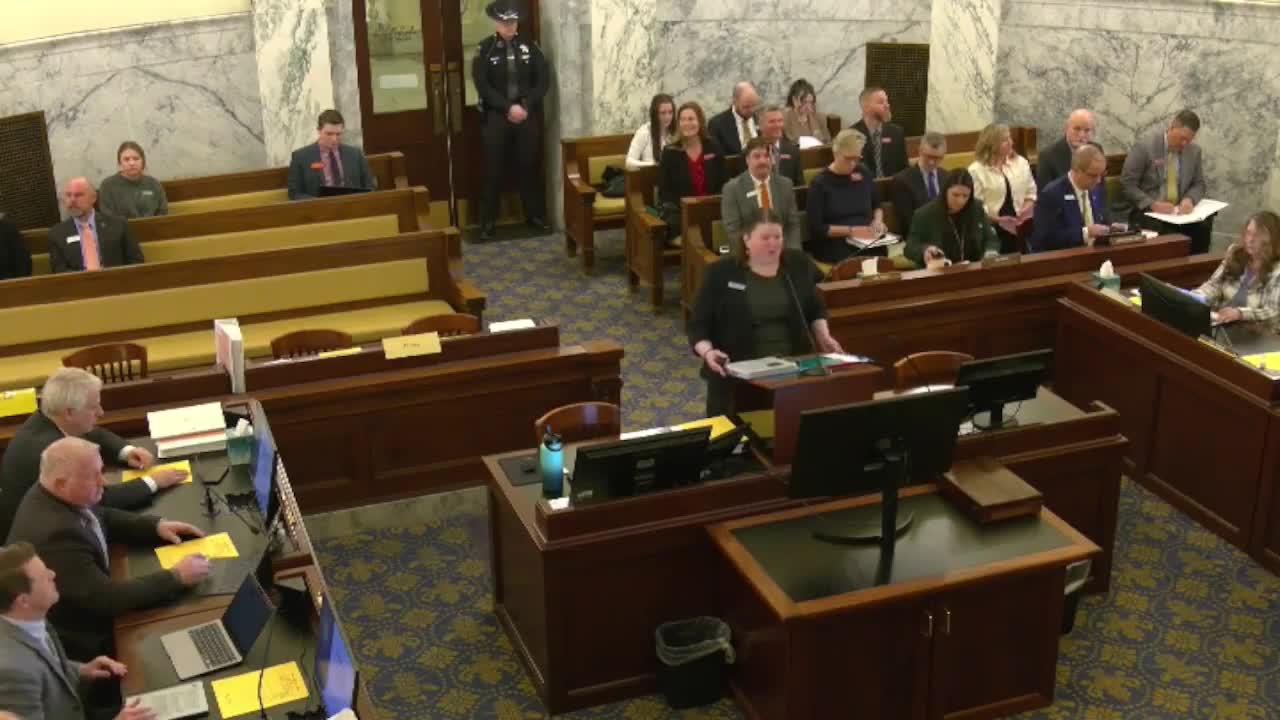
The Joint Finance Committee heard from Janet Jessup, budget and policy analyst with Legislative Services, and Susan Buxton, director of the Idaho Department of Parks and Recreation, on the department's fiscal 2026 budget request and program changes.
Jessup told the committee the department is allocated 190.8 full-time positions (FTP) and administers Idaho's 30 state parks and trail systems. She emphasized that much of the department's budget is held in dedicated funds—registration fees, permit revenues and other user fees—that statute prescribes for specific purposes and can limit how and when money is spent.
Why it matters: Parks funding and staffing affect access, safety and maintenance across widely dispersed facilities. The department's requests touch operations (seasonal pay and ranger compensation), program accounting (consolidation of management and operations) and large capital projects that would alter park infrastructure and visitor access.
Jessup and Buxton outlined several of the agency's fiscal and operational priorities. Jessup said capital outlays comprised about 41% of the department's fiscal 2024 expenditures and that trustee-and-benefit payments (grants and pass-throughs to local governments) made up roughly 17.5% of the same year’s spending. She also noted that the agency's capital development program shows $0 FTP because the program handles one-time capital outlay rather than ongoing personnel.
Buxton described a multi-part enhancement request for fiscal 2026 that includes: - Consolidating the Management Services and Park Operations programs into a single budgeted program (a net-zero structural change intended to simplify accounting and program oversight). Buxton described the consolidation as “ministerial,” saying the same management positions now span both programs and the change would not remove information about revenues or expenditures. - Raising seasonal employee pay from $12 to $15 an hour and expanding targeted, ongoing pay adjustments for ranger positions to address compression and implement a tiered ranger compensation structure. Buxton said the requested increases would be funded from the department’s dedicated funds and are intended to reduce pay compression that developed after recent statewide pay adjustments.
"When I became the director ... most of the same people were making way less," Buxton said, explaining the department’s effort to address compression by creating step differences so long-tenured staff are not paid the same as new hires.
Committee members pressed for details about seasonal hiring and local market differences. Buxton and Jennifer Quindell Miller, the department’s human resources officer, said managers currently have authority to pay seasonal hires between $12 and $15 but that market pressures in resort and remote areas increasingly require higher offers — sometimes $17 or more — to staff parks during peak seasons. Buxton told the committee the department hires about 300 seasonal employees annually and supports more than 500 volunteers.
A compact wheel loader sought in the capital replacement list drew questions. Troy Elmore, the operations administrator, said the purchase would be paid from the snowmobile sticker fund and used to clear parking lots at snowmobile activity sites. He said the department owns grooming equipment and partners with about 27 county snowmobile programs; counties operate equipment while the department owns groomers and is buying a third compact loader for parking-lot clearing.
Buxton also described work at Heyburn State Park (near Plummer on Lake Coeur d’Alene) to replace two aging marinas. She said the Coeur d'Alene Tribe previously funded a design and has offered at least $1 million toward marina replacement. The project will replace docks and is expected to add slips at Rocky Point and Chatcolet marinas.
On deferred maintenance, several legislators requested a written summary of the department’s projects and expenditures; Buxton said the department has provided a master list in the committee packet and offered additional detail on request. The governor’s recommendation included the agency’s full enhancement requests and did not modify the agency’s capital priorities, Jessup said.
The presenters and committee members agreed that a written breakdown of deferred-maintenance projects and the timeline for completing them would help the committee evaluate one-time and ongoing funding needs.
Closing remarks from Director Buxton thanked the committee for past support of the parks system and noted the department stands ready to provide further detail on specific projects and staffing analyses.