Get Full Government Meeting Transcripts, Videos, & Alerts Forever!
Get email alerts on the Agriculture Potatoes topic
No spam. Unsubscribe anytime.
Idaho Potato Commission plans Mexico push amid global processing competition and water concerns
Summary
Jamie Hyam, president of the Idaho Potato Commission, said the commission expects roughly $15 million in revenue and is investing reserves to promote Idaho potatoes in Mexico while warning of growing global processing capacity and water, labor and succession challenges.
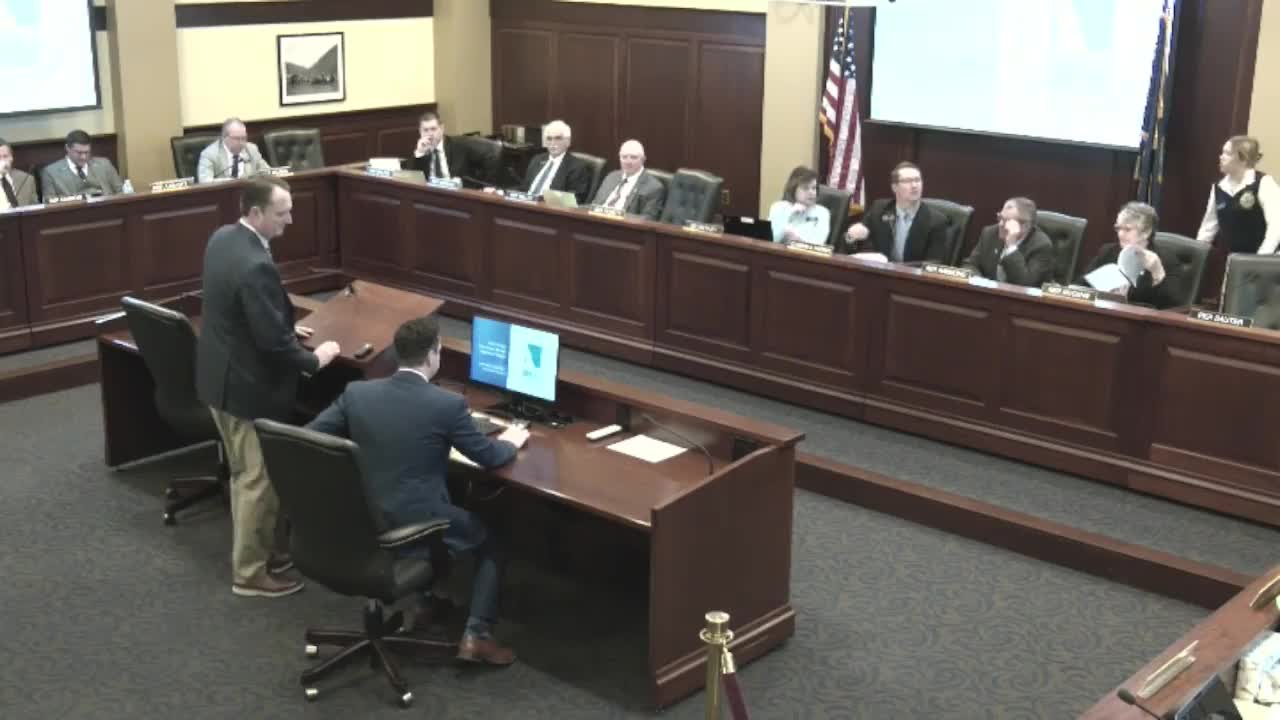
Jamie Hyam, president of the Idaho Potato Commission, told a legislative committee the commission plans a marketing push in Mexico and will use reserves to fund promotional activity as the industry confronts international processing competition and domestic challenges.
Hyam said the commission’s revenues for the year are about $15 million, funded primarily by industry assessments. The commission maintains reserves to cover multi-year commitments; after covering commitments for up to five years, Hyam said the commission would have about $776,000 remaining. Commissioners voted to use reserves for planned promotional activity in Mexico this year, which Hyam said accounts for expenditures exceeding current-year revenues as planned.
Hyam warned of a rapid expansion of processing capacity in China that could triple in five to eight years and put pressure on world markets for processed potato products (French fries, tater tots, etc.). He said the United States currently imports processed potato products — about 12% by his estimate — and flagged freight and distribution costs as competitive disadvantages for Idaho processors.
Other issues Hyam raised included water availability, labor and succession on multi-generational farms, and a policy concern about efforts to classify potatoes as a grain rather than a vegetable in dietary guidelines; he said the commission successfully pushed back on that change for the near term.
Hyam described the commission’s national television advertising and consumer-targeted campaigns aimed at 24-to-45-year-olds and reviewed a proposed reborn specialty license plate tied to Idaho potato branding that has been introduced in a separate committee. When Representative Ehlers asked how the commission measures return on investment for marketing, Hyam said ROI is “almost impossible to measure” directly but pointed to sustained premiums for Idaho potatoes and long-term brand recognition as indirect evidence.
Representative McCann said she had seen a 5-pound bag of potatoes priced at 99¢ at a local store; Hyam explained that retail pricing reflects retailers’ markups and supply dynamics and said a common bulk price was about $7 per 50‑pound unit FOB before freight. Several legislators offered anecdotes underscoring Idaho brand recognition for potatoes.
Hyam said the commission continues research partnerships with the University of Idaho on drought-tolerant and disease-resistant varieties and storage technologies and spends on television and trade promotions to protect the Grown in Idaho trademark.