Get Full Government Meeting Transcripts, Videos, & Alerts Forever!
Get email alerts on the Right To Farm topic
No spam. Unsubscribe anytime.
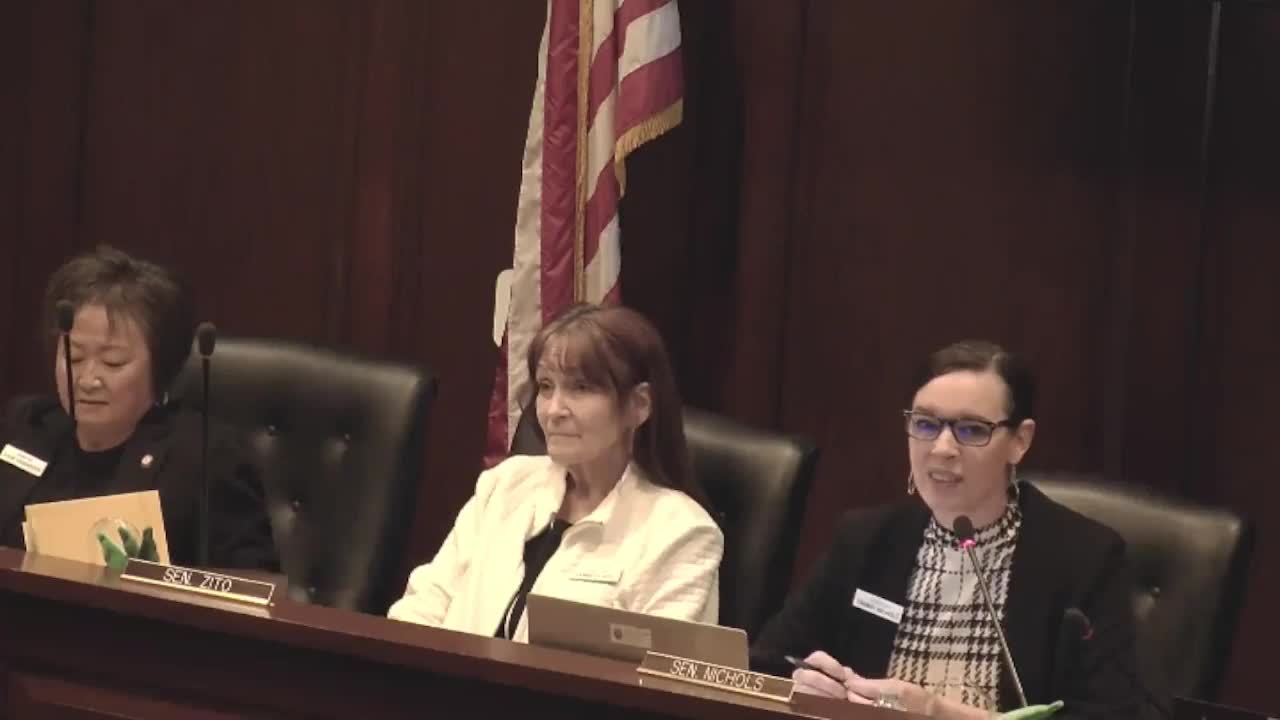
Senate committee agrees to print Idaho Right to Farm bill after debate on frivolous complaints and fee recovery
Summary
Sen. Todd Lakey presented RS 32027, which would let agricultural operators who prevail in nuisance suits recover attorney fees and create fines for repeat meritless complaints to state agencies; the Agricultural Affairs Committee voted to print the request for legislation.
Sen. Todd Lakey, R‑District 23, asked the Senate Agricultural Affairs Committee on Wednesday to print RS 32027, a proposal to amend Idaho’s Right to Farm protections so that lawfully operating agricultural producers can recover attorneys’ fees when they prevail in nuisance lawsuits and to penalize repeated meritless complaints to state agencies.
The bill’s core provisions, as presented by Lakey, would authorize a prevailing agricultural operator sued for nuisance to recover attorney fees from the non‑prevailing party, and impose escalating consequences for repeatedly filing complaints that an investigating agency deems meritless. "It's not a shield for bad operators, it's a protection for good operators," Lakey said, describing the measure as targeted to lawful operations that still generate noise, dust or odors.
Lakey told the committee the complaint penalty structure is designed to let a first report stand as an educational opportunity but to deter repeated, meritless filings. "If they file a second complaint that's meritless within a two‑year rolling window, then it's an infraction, and there's a $150 fine. If they file a third meritless complaint within that two‑year period, it's a $300 fine. And if they file a fourth and subsequent complaint within that two‑year period it becomes a misdemeanor," Lakey said.
Sen. Semmelroth asked, "Who determines if a complaint is meritless?" Lakey replied that the investigating agency would review complaints against applicable law and the Right to Farm Act; if the agency finds the operation in compliance the complaint would be considered meritless. He added that, where an infraction is pursued, a court ultimately would determine meritlessness.
Committee members also asked whether the bill responds to an increase in litigation. Lakey said he had not tracked case counts but that growth in the state increases the potential for disputes and education needs.
The committee offered no public testimony on the measure. After discussion, a motion to print RS 32027 was made and seconded; the committee carried the motion by voice vote and agreed to print the request for legislation.
Why it matters: The bill would change incentives and potential consequences for individuals who bring repeated complaints against agricultural operations that regulators find lawful, while giving prevailing farmers a path to recover legal costs. Supporters framed the measure as protecting lawful producers from costly litigation and frivolous administrative complaints; opponents were not recorded in the committee hearing.
The committee did not take final legislative action on the substance of RS 32027 at the hearing; the vote was to print the request for legislation so it can proceed through the legislative drafting and committee process.